Women’s Health & OB/GYN

At MyCHN, our obstetrics and gynecology services are dedicated to providing comprehensive care for women’s health. From well woman exams and personalized prenatal care to menopause symptom management, our experienced primary care providers and women’s health specialists support you throughout every stage of life. We are committed to ensuring you receive the highest quality of compassionate care tailored to your unique needs.

Gynecology Services

Medicaid, Medicare, CHIP, Insurance, and More Accepted

Our dedicated gynecology services provide quality care to women from their teen years through menopause and beyond. Our compassionate team is committed to supporting women’s health at every stage of life, working hand-in-hand with our patients to ensure they feel comfortable, confident, and empowered every step of the way.

Well Woman Exams

Well woman exams typically include comprehensive pelvic exams, pap smears, and breast exams to ensure your overall reproductive health. Regular annual well woman exams are crucial for early detection and prevention of potential health issues, including cervical and breast cancer. With each visit, we work to empower you to maintain optimal wellness.

Teen Gynecology

We understand the importance of teen gynecology in addressing common health issues that young women may encounter, such as periods, sexual activity, sexually transmitted infections (STIs), and general questions about their developing bodies. Our experienced gynecologists and women's health specialists provide a safe and supportive environment to discuss these topics.

Family Planning & Birth Control

Our OB/GYN team understands how personal and sensitive family planning and birth control decisions can be. We offer a variety of options to help you make informed decisions about your reproductive health, ensuring compassionate and professional support every step of the way. Our ultimate goal is for you to feel educated and empowered about your reproductive choices.

Women turning 65

Menopause

We are dedicated to supporting women through the transition of menopause with compassionate and personalized care. Our experienced primary care providers and women's health specialists work closely with you to manage menopause symptoms, offering a range of treatments and resources tailored to your unique needs.

Treatment for Irregular Bleeding

We understand that irregular periods can be both frustrating and concerning. Our compassionate gynecologists and women's health providers are here to offer the care and support you need to understand your menstrual cycle and address any underlying conditions that may be causing irregular bleeding.

Comprehensive Obstetrics

MyCHN provides comprehensive obstetrics services, including personalized prenatal care and compassionate infertility counseling. Our dedicated team of women’s health specialists and primary care providers is committed to supporting you through every stage of your reproductive journey, ensuring the health and well-being of both mother and baby. We are dedicated to fostering a positive and nurturing experience for every family we serve.

Prenatal Care

Our prenatal care services are designed to support expectant mothers with compassionate and holistic care throughout their pregnancy journey. Our experienced providers offer personalized monitoring, education, and guidance to ensure both mother and baby remain healthy and well-prepared for childbirth.

Pregnancy Guidance & Infertility

We take pride in providing compassionate pregnancy guidance and effective infertility treatment, utilizing both medication and comprehensive counseling services. Our dedicated team supports you through every step of your journey, offering personalized care to help you achieve your family planning goals.
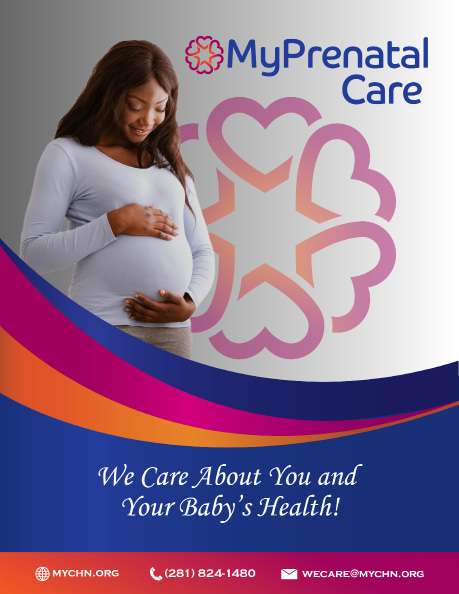
Your Prenatal Care Guide

At MyCHN, we know that pregnancy is a journey filled with questions, changes, and excitement. To help you feel supported every step of the way, we’ve created the OB Binder – a complete resource designed for women during pregnancy.

Our Prenatal Guide includes:

  • Prenatal Care Roadmap – what to expect at each stage of your pregnancy, from your first visit to delivery.

  • Health & Wellness Tips – guidance on nutrition, safe medications, managing common pregnancy discomforts, and building healthy routines.

  • Provider & Services Directory – meet your care team and learn about MyCHN’s integrated services in OB/GYN, pediatrics, behavioral health, dental, and pharmacy.

  • Support Resources – information on life skills, postpartum care, and therapy groups to help you adjust to motherhood.

female doctor talking to her patient

We Can Assist with Referrals!

If you are a referring provider’s office needing referral assistance or a provider needing to speak to an on-call OB Coordinator, please contact us or fill out the form below.

Women's Health Team

Gynecologist Near Me in Houston, TX

Uncover a holistic approach to women’s health with the committed providers at MyCHN, specializing in OB/GYN services. Whether you’re considering a well-woman exam or seeking comprehensive prenatal care, our team is dedicated to providing you with the resources and continuity of care you need for your wellbeing. Call MyCHN, with 14 locations around Houston, TX, today at (281) 824-1480 or request your appointment online to get started.

Frequently Asked Questions

MyCHN offers a wide range of women’s health services focused on preventive care and reproductive health. Services include well-woman exams, Pap smears, birth control counseling and prescriptions, pregnancy care, breast health screenings, and general OBGYN care.  

Yes. MyCHN providers prenatal care to support you throughout your pregnancy. Our prenatal care services include monitoring your health and your baby’s development, providing routine prenatal exams, ultrasounds, and more. MyCHN also offers Maternal Fetal Health care for patients with high-risk pregnancy.   general OBGYN care.  

During a well-woman exam, your provider will review your medical history, discuss your overall health, and address any concerns you may have. The visit may include a physical exam, preventive screenings such as a pap smear or breast cancer screening . This is also a great time to talk about topics such as reproductive health, menstrual health, or birth control options. 

Yes! MyCHN provides care for patients with and without insurance and we offer financial assistance services. Learn more about our Patient Eligibility Process – https://mychn.org/services/eligibility-services/ and the MyCHN Provider Sponsored Plan (a local healthcare plan, designed by your providers to bring you the care you need) – https://mychn.org/mychn-provider-sponsored-plan-psp/

Many women begin seeing a women’s health provider during their teenage years or early adulthood. Your provider can help guide you on preventive care, reproductive health, and screenings based on your age and health needs. 

A well-woman exam includes a physical exam, breast exam, and if needed a cervical cancer screening (Pap smear). Imay also include discussions about reproductive health, birth control, and preventive care. Your provider can also recommend screenings or lab tests depending on your health history and age. 

Yes. MyCHN offers Pap smears and a variety of birth control services. Our providers can discuss different options with you and help you choose the method that best fits your health needs and lifestyle. 

MyCHN accepts most private insurance, Medicaid, Medicare, CHIP, and more. View our full list of insurance here – https://mychn.org/insurances/ For insurance verification please log into your patient portal or call 281-824-1480. 

MyCHN offers financial assistance services. Learn more about our Patient Eligibility Process – https://mychn.org/services/eligibility-services/ and the MyCHN Provider Sponsored Plan (a local healthcare plan, designed by your providers to bring you the care you need) – https://mychn.org/mychn-provider-sponsored-plan-psp/ 

Women’s health services are offered at most MyCHN locations. Availability may vary by clinic, so please check your preferred location to confirm services offered there. https://mychn.org/locations/ 

Most women should schedule a well-woman exam once a year. Your provider may recommend a different schedule depending on your age, medical history, or specific health needs. Schedule your well-woman appointment by logging into your patient portal, using the MyCHN call, and chat! 

No referral is required to schedule a women’s health appointment . Schedule your well-woman appointment by logging into your patient portal, using the MyCHN call, and chat! 

Nausea and vomiting of pregnancy usually starts before 9 weeks of pregnancy. For most women, it goes away by the second trimester (14 weeks of pregnancy). For some women, it lasts for several weeks or months. For a few women, it lasts throughout the entire pregnancy.

If you have any of the following factors, your risk of severe nausea and vomiting of pregnancy may be increased:

  • Being pregnant with more than one baby (multiple pregnancy)
  • Past pregnancy with nausea and vomiting (either mild or severe)
  • Your mother or sister had severe nausea and vomiting of pregnancy
  • History of motion sickness or migraines
  • Being pregnant with a female fetus

Could nausea and vomiting during pregnancy be caused by another medical condition? Some medical conditions can cause nausea and vomiting during pregnancy. These include an ulcer, food-related illness, thyroid disease, or gallbladder disease. Your obstetrician may suspect that you have one of these conditions if you have signs or symptoms that do not usually occur with nausea and vomiting of pregnancy:

  • Nausea and vomiting that occurs for the first time after 9 weeks of pregnancy
  • Abdominal pain or tenderness
  • Fever
  • Headache
  • Enlarged thyroid gland (swelling in the front of the neck)

Having nausea and vomiting of pregnancy usually does not harm your health or your baby’s health. It does not mean your baby is sick. It can become more of a problem if you cannot keep down any food or fluids and begin to lose weight. When this happens, it sometimes can affect the baby’s weight at birth. You also can develop problems with your thyroid, liver, and fluid balance.

Because severe nausea and vomiting of pregnancy is hard to treat and can cause health problems, many experts recommend early treatment so that it does not become severe.

Diet and lifestyle changes may help you feel better. You may need to try more than one of these suggestions:

  • Take a multivitamin.
  • Try eating dry toast or crackers in the morning before you get out of bed to avoid moving around on an empty stomach.
  • Drink fluids often.
  • Avoid smells that bother you.
  • Eat small, frequent meals instead of three large meals.
  • Try bland foods. For example, the “BRATT” diet (bananas, rice, applesauce, toast, and tea) is low in fat and easy to digest.
  • Try ginger ale made with real ginger, ginger tea made from fresh grated ginger, ginger capsules, and ginger candies.
  • If you do vomit a lot, it can cause some of your tooth enamel to wear away. This happens because your stomach contains a lot of acid. Rinsing your mouth with a teaspoon of baking soda dissolved in a cup of water may help neutralize the acid and protect your teeth.

If diet and lifestyle changes do not help your symptoms, or if you have severe nausea and vomiting of pregnancy, medical treatment may be needed. If other medical conditions are ruled out, certain medications can be given to treat nausea and vomiting of pregnancy: Vitamin B6 and doxylamine – Vitamin B6 is a safe, over-the – counter treatment that may be tried first. Doxylamine, a medication found in over-the-counter sleep aids, may be added if vitamin B6 alone does not relieve symptoms.

A prescription drug that combines vitamin B6 and doxylamine is available. Both drugs-taken alone or together-have been found to be safe to take during pregnancy and have no harmful effects on the baby. “Antiemetic” drugs – If vitamin B6 and doxylamine do not work, “antiemetic” drugs may be prescribed. These drugs prevent vomiting. Many antiemetic drugs have been shown to be safe to use during pregnancy. Others have conflicting or limited safety information. You and your obstetrician or other members of your health care team can discuss all of these factors to determine the best treatment for your personal situation.

You may need to stay in the hospital until your symptoms are under control. Lab tests may be done to check how your liver is working. If you are dehydrated from loss of fluids, you may receive fluids and vitamins through an intravenous line. If your vomiting cannot be controlled, you may need additional medication. If you continue to lose weight, sometimes tube feeding is recommended to ensure that you and your baby are getting enough nutrients.

If you are bleeding in early pregnancy, your health care provider may do a pelvic exam. You will be asked how much blood you have passed and how often bleeding has occurred. Your health care provider also will ask whether you have had any pain, and if so, its location and severity.
A blood test may be done to measure human chorionic gonadotropin (hCG). This substance is made by your body during pregnancy. You may have more than one test because hCG levels increase throughout pregnancy. Your blood type also will be checked to see if you need treatment for Rh sensitization. Ultrasound may be used to find the cause of the bleeding. Sometimes the cause is not found.

Miscarriage can occur any time in the first half of pregnancy. Most often it occurs in the first 13 weeks. It happens in about 15-20% of pregnancies.

The following signs and symptoms may indicate a miscarriage:

  • Vaginal bleeding
  • Cramping pain felt low in the abdomen (often stronger than menstrual cramps)
  • Tissue passing from the vagina
  • Many women who have vaginal bleeding have little or no cramping. Sometimes the bleeding stops and pregnancy goes on. Other times the bleeding and cramping may become stronger, leading to miscarriage.

An ectopic pregnancy occurs when the fertilized egg does not implant in the uterus. Instead, it implants somewhere else, often in one of the fallopian tubes. An ectopic pregnancy causes pain and bleeding early in pregnancy.

A major risk with this type of pregnancy occurs if the fallopian tube ruptures. A rupture needs prompt treatment. There may be internal bleeding. Blood loss may cause weakness, fainting, pain, shock, or death.

Ectopic pregnancies are much less common than miscarriages. They occur in about 1 in 60 pregnancies. Women are at a higher risk if they have had an infection in the fallopian tubes (such as pelvic inflammatory disease).

Late in pregnancy, vaginal bleeding may be a sign of labor. A small amount of mucus and blood is passed from the cervix just before or at the start of labor. This is called “bloody show.” It is common. It is not a problem if it happens within 3 weeks of your due date. If it happens earlier, you may be going into preterm labor. Other signs of preterm labor include the following:

  • Vaginal discharge
  • Change in type of discharge (watery, mucus, or bloody)
  • Increase in amount of discharge
  • Pressure in the pelvis or lower abdomen
  • Low, dull backache
  • Stomach cramps, with or without diarrhea
  • Regular contractions or uterine tightening
  • If you have any of these signs or symptoms, contact your health care provider right away.

If you are pregnant and you smoke, tell your health care provider. He or she can help you find support and quitting programs in your area. You also can call the national “quit line” at 1-800-Quit-Now.

Drugs used after the baby is born can be passed to the baby through breast milk.

Some prescription medications are safe to take during pregnancy. Others have known risks. If you are taking a prescription medication and become pregnant, tell your health care provider. Do not stop taking a medication prescribed for you without first talking to your health care provider.

Medicines sold over the counter, including herbal supplements and vitamins, can cause problems during pregnancy. Pain relievers such as aspirin and ibuprofen may be harmful to a fetus. Check with your health care provider before taking any over-the-counter drug.