
Have you ever experienced discomfort, burning, or stiffness in your arm, shoulder, elbow, knee, or finger while doing an everyday activity or playing a sport? That might be joint pain.
While most think joint pain only happens to adults 50+, it can affect people of all ages and occur for various reasons. When you notice any discomfort, it’s important that you do not ignore it. Let’s take a closer look into joint pain, the possible causes, and how to minimize pain with supplements and treatments.
What Is Joint Pain?
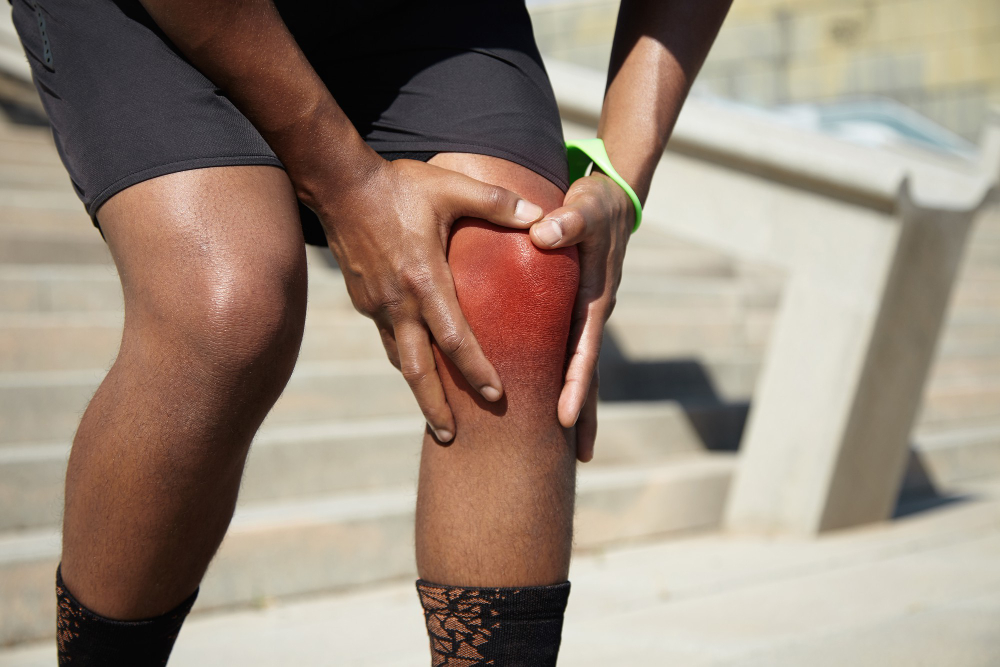
As mentioned before, joint pain is mild to severe discomfort, soreness, or pain in one or more joints anywhere in the body. It tends to affect body areas where two or more bones come together, for example, the knees, hips, elbows, shoulders, etc. Here are the most common tale-tell signs:
- Redness pinkish color (joint area)
- Warm skin (as compared to other parts of the body)
- Swelling (e.g., comparing the affected knee vs. the unaffected knee)
- Stiffness (moving joint becomes painful or difficult)
- Slow decline or reduced range of motion of the affected area
- Weakness (e.g., muscle weakness)
- Creates a pop or clicking sound (when moved)
- Throbbing or pulsating sensation
If you live with these warning signs, it may be time to talk to your doctor.
Getting a diagnosis from your provider or checking to ensure everything is okay can only be beneficial. Have your doctor look closer and address any dysfunction before it becomes a chronic disease.
What Causes Joint Pain?
You know the symptoms and what to look for if it’s happening to you, but it’s just as important to understand what may be causing your joint pain. Joint pain can bother you suddenly and go away on its own, or it can last over months and severely impact your quality of life. There are different types of joint pain, and the cause for each one is different. Let’s take a look.
Acute Joint Pain
- Inflammation from injuries or trauma
- Infections from fevers or rashes
- Sprains (stretching or tearing of ligaments connecting bones)
- Strains (damage to a muscle or tissue that attaches a muscle and bone)

Chronic Joint Pain
- Tendinitis (tendon inflammation, which connects bone and muscle)
- Rheumatoid arthritis (swelling and pain that deform joints)
- Osteoarthritis (cartilage between bones wears down)
- Gout (uric acid crystals growth in joints)
- Bursitis (inflammation of fluid-filled sacks cushion near bones and joints)
Risk Factors
- Carrying too much weight (overweight or obese)
- Sedentary lifestyle
- Smoking
- Age (risk increases as you get older)
- Gender (risk increases for women)
- Genetics and family history
- Overuse of joints at work or sports

Joint Pain Treatment
Selecting the right treatment depends on the underlying factors of the pain.
Here are some at-home treatments you can try for acute joint pain.
- Rest, ice, compression, and elevation (RICE)
- Take over-the-counter pain-relieving medications (acetaminophen or ibuprofen).
- Rub creams (topical gels or ointments can be found over the counter or might need a provider’s prescription)
Chronic joint pain treatments caused by arthritis or other medical conditions include:
- Prescription drugs (these medical-grade medication reduce inflammation)
- Weight loss (tends to take off the stress and pressure of joints)
- Low-impact exercise (helps in strengthening muscles and preventing weight gain)
- Therapy (helps gain gradual mobility and ease discomfort)
When it comes to minimizing joint pain, did you know supplements can help? Here are some supplements to reduce joint pain.
- Glucosamine: this supplement is taken to decrease the rate of natural cartilage loss in joints. It also eases inflammation and pain.
- Chondroitin: this supplement decreases the loss of cartilage by boosting collagen.
- Collagen: this protein (3 types of collagens in our bodies) helps reduce joint stiffness.
- Type I collagen: found in skin, bone, tendons, ligaments, and other connective tissues.
- Type II collagen: found in cartilage
- Type III collagen: found in skin, blood vessels, and organs.
- Turmeric: this spice helps increase joint movement by reducing pain and inflammation.
- Boswellia serrata: this herb helps improve movement, reduce cartilage loss, and ease pain.
- Omega-3: this fatty acid supports the joints by reducing inflammation and pain.
- Vitamin D3: this supplement reduces pain and helps improve strength and physical movement.

Take Control of Your Joints
Now that you have the information that can help, it’s time to take control of your joints. Know the risk factors and beware of the severity of your discomfort. Getting to the bottom of joint pain treatment will be a collaboration between you and your provider. Schedule an appointment with your provider and take control of your joints.

Tolulope Ayoola
Tolulope Ayoola is the creative marketing content writer at MyCHN. She graduated from the University of Houston-Downtown with a degree in Technical Communications. Her goal and mission is to make healthcare patient content more relatable and interesting to interact with. She combines her creative eye with her technical communication skills to create content for patients. Tolu's past work includes creating blogs, press releases, and social media content for different sectors. She enjoys spending time with her family, writing, and listening to music & podcasts.