
In short, dental emergencies require immediate attention to alleviate severe pain, save a tooth, or stop ongoing bleeding that could compromise your overall health.
- Knocked-out teeth need speed. Replanting a knocked-out tooth within thirty minutes significantly increases the likelihood that the tooth will survive and reattach.
- Severe pain indicates urgency. Unbearable tooth pain often signals an abscess or severe infection that requires prompt professional treatment to prevent spreading.
- Infections risk spreading quickly. Dental abscesses can lead to life-threatening complications if the infection spreads to the jaw, neck, or other parts of the body.
Understanding the difference between a standard dental issue and a true emergency is crucial for your oral health. Ignoring severe symptoms can lead to permanent damage or more expensive treatments later. This guide will help you identify when to seek help immediately.
What Constitutes a True Dental Emergency?
A dental emergency usually involves a situation that requires immediate attention to save a tooth, stop bleeding, or alleviate severe pain. It often involves a high risk of infection that could impact your general health. You should not ignore these signs.
Some injuries might look scary but do not require emergency care. However, other invisible issues could be life-threatening. Knowing the distinction helps you remain calm and act appropriately.
Severe infections are a primary reason to seek an emergency dentist without delay. According to the Mayo Clinic, an abscessed tooth is a pocket of pus caused by a bacterial infection. This condition can lead to serious complications if the bacteria spreads to your jaw or other areas of your head and neck.
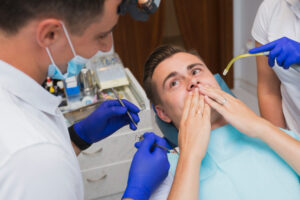
Common examples of dental emergencies include the following:
- Knocked-out permanent tooth
- Severe and unmanageable pain
- Uncontrollable bleeding from mouth
- Abscess or severe infection
- Swelling in the jaw
Is a Knocked-Out Tooth Always an Emergency?
Yes, a knocked-out tooth is one of the most time-sensitive dental emergencies you can face. The American Dental Association notes that action taken in the first thirty to sixty minutes is critical. You must see a dentist immediately to have the best chance of saving the tooth.
Do not handle the tooth by the root. You should pick it up by the crown, which is the part usually visible in the mouth. Rinse it gently with water if it is dirty, but do not scrub it.
Try to place the tooth back in the socket, if possible. If you cannot do this, keep the tooth moist by holding it in your cheek or placing it in milk. You need to find an emergency dentist right away to splint the tooth back into place.
How Do I Know if My Toothache Is an Emergency?
Not every toothache qualifies as an emergency, but severe pain is a major red flag. If the pain prevents you from sleeping, eating, or functioning normally, you need urgent care. This level of discomfort usually indicates deep decay or an infection affecting the nerve.
You should look for other symptoms accompanying the pain. Fever, earaches, or pain when opening your mouth are signs that the problem is escalating. These symptoms suggest that your body is fighting a significant infection.
Over-the-counter medication may provide temporary relief, but it will not solve the root cause. You must see a professional to treat the infection or remove the decay. Delaying treatment often leads to the loss of the tooth.
What Should I Do if I Crack or Break a Tooth?
A cracked or broken tooth can be an emergency depending on the severity of the fracture. A minor chip that does not cause pain can usually wait for a regular appointment. However, a severe break that exposes the nerve requires immediate attention.
You might notice sensitivity to hot or cold temperatures if the nerve is exposed. You should rinse your mouth with warm water and apply a cold compress to your face to reduce swelling. This will help manage the situation while you travel to the dentist.
Can a Dental Abscess Wait Until Monday?
No, a dental abscess is a serious infection that requires immediate treatment. An abscess looks like a pimple on your gums and may release a foul-tasting fluid. It indicates that infection is present at the root of a tooth or in the space between the teeth and gums.
If left untreated, the infection can spread to the surrounding tissue and bone. In severe cases, it can spread to other parts of the body and cause sepsis. This is a life-threatening response to infection.
You might experience a fever, swollen lymph nodes, or swelling in your face. These are signs that the infection is spreading systematically. You must call an emergency dentist immediately if you suspect an abscess.
When Should I Go to the Emergency Room Instead of the Dentist?
Most dental problems are best handled by a dentist, but some situations require a hospital emergency room. You should go to the ER if you have experienced severe trauma to the face or jaw. This includes jaw fractures or dislocations.
You should also seek hospital care if you have severe swelling that obstructs your breathing or swallowing. This could be a sign of Ludwig’s angina, a rare but serious skin infection on the floor of the mouth. It requires immediate medical intervention to protect your airway.
However, emergency rooms generally cannot perform restorative dentistry. They can provide antibiotics and pain relief, but they cannot fill cavities or restore teeth. You will still need to visit a dentist for follow-up care.
What Are Non-Emergency Dental Problems?
Some dental issues are inconvenient but do not require immediate, after-hours attention. You can usually schedule a regular appointment for these problems. This helps keep emergency slots open for patients in critical condition.
Examples of non-emergencies include the following:
- Lost filling or crown
- Mild tooth sensitivity
- Chipped tooth without pain
- Broken braces or wires
- Dull or manageable toothache
You can often manage these issues at home temporarily. For a lost filling, you can use dental cement from a pharmacy to cover the sensitive area. If a wire from your braces is poking you, cover the end with orthodontic wax.
How Can I Prevent Dental Emergencies?
Prevention is always better than seeking a cure. You can reduce your risk of dental emergencies by taking simple precautions. Wearing a mouthguard during sports is one of the most effective ways to protect your teeth.
You should also avoid using your teeth as tools to open packages or bottles. This is a common cause of cracked and broken teeth. Chewing on ice, popcorn kernels, or hard candy can also cause fractures.
Regular check-ups are vital for catching problems early. Your dentist can identify weak fillings or early signs of decay before they become serious issues. Routine care is the best defense against the need for an emergency dentist.
Does MyCHN Offer Services for Dental Emergencies in Houston?
Yes, MyCHN is dedicated to providing accessible, whole-person care to our communities in Texas. We understand that dental emergencies are frightening and painful. We are here to help you get the relief you need.
We operate clinics throughout the greater Houston area, including Brazoria, Harris, and Galveston counties. Our dental teams are equipped to handle urgent situations with compassion and expertise. We accept most private insurance, Medicaid, Medicare, and CHIP to ensure care is affordable.
Please contact us today if you need urgent dental assistance. You can reach us at (281) 824-1480 or use our appointment form to schedule an appointment.