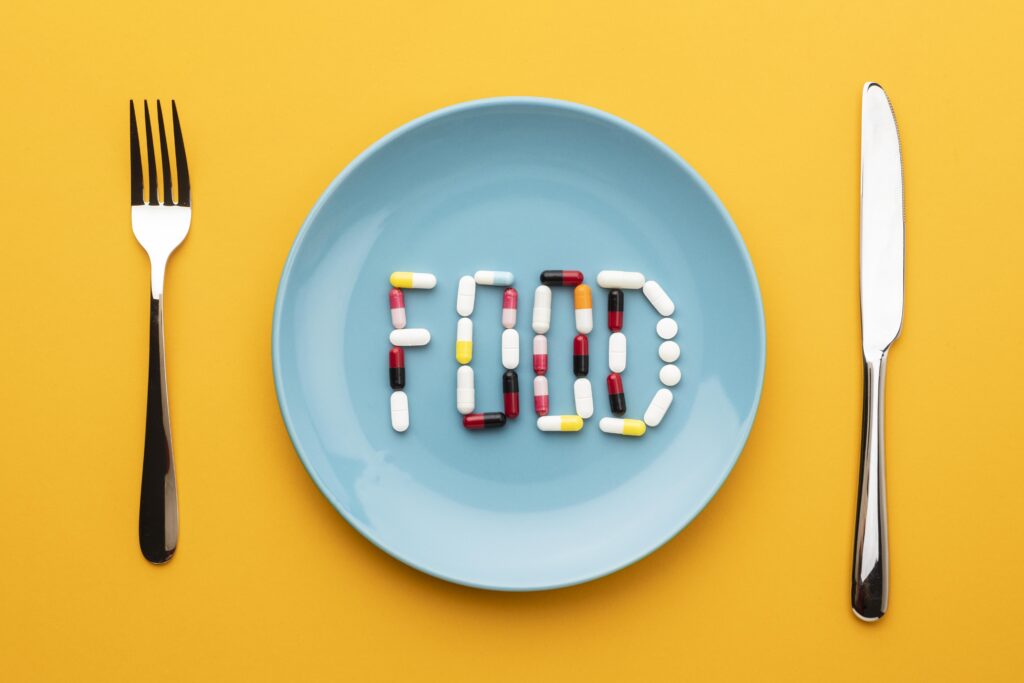
Food helps us get some of the nutrients we need every day. We must stay hydrated and nourished because that is the only way our body functions. Unfortunately, 1 in 3 hospital patients enters due to being malnourished. This means they are not getting the nutrients their body needs to keep them going.
Food as medicine (food is medicine) is a new initiative taking momentum across the United States. When you think about your health, you probably think about prescription drugs, doctor appointments, lab tests, and more. But have you ever wondered how the foods you eat benefit you? The more insightful question is, are you really using food to help your health, or you’re just enjoying it? You may have never thought about this question before, but you should start thinking about it more often.
28% of health care costs for patients battling a disease or illness is tailored to provide medical nutrition therapy. If we start using food to better our health, hospital admissions will significantly decrease. Additionally, we may not need to worry about certain illnesses or diseases. There is a science to everything, and there surely is a science to using food as medicine. So, let’s dive into it.
Food As Medicine: What Does That Mean?
The concept behind food as medicine refers to making the link between illnesses and nutrition. We know that having too much or too little nutrients affect us, but we don’t really understand the gravity. There is a direct link between a lack of access to nutritious foods and our health. So, it is important that we understand that by addressing this “small” detail, we can manage our health and the symptoms that come along with it.
Many doctors and providers use food to treat their patients. In fact, using food as medicine is not a new concept; it has been used for years. This means that doctors recommend that their patients prioritize their diet to help with their health issues or symptom(s). You can also think about this as medically tailored meals. They work to address the dietary needs of that patient to treat his/her medical conditions. It seems like an easy concept, and it is, but it’s all about getting the patient to recognize that this is what they need to feel better.
In the United States, many doctors and medical facilities are taking food as medicine into account. But there are some barriers in the way.
What Are The Pros & Cons
Let’s look at the pros and cons of providing food as medical care.
Pros
- The biggest pro of them all is disease management. Nutrition therapy is a health practice with a lot of evidence backing it up. Sticking to a specific diet has proven to help manage symptoms and chronic diseases. When there is an improvement to someone’s diet and, ultimately, their overall health, you also see an improvement in their quality of life.
- The second pro is that it is more cost-effective. It’s important to compare the costs of paying for healthcare to treat an illness to buying food. Even though everything seems more expensive nowadays due to the economy, it will cost less to stick to a dietary restriction than to pay for treatment.
Cons
- Access to healthy food options is not the same for everyone in the United States. Among low-income households, access to healthy foods is much lower, which needs to be addressed. The healthcare system does not pay for someone needing to buy healthy foods; it only pays for medication treatment. This is an ongoing conversation that the medical industry is looking into changing.
- The second con is that the food as medicine concept is not a cure-all. The reality is that just changing a person’s diet isn’t always the answer. While food as medicine may help with managing symptoms and slowing down the progression of a disease, it doesn’t always cure it.
The truth is that food as medicine isn’t supposed to be a cure-all treatment. But the good news is that there are programs that help patients get to those healthier food options. So, is this a concept you can take up with your healthcare provider? Ask your provider if food as medicine is something you need to consider.