
Dental emergencies are unpredictable and often happen at the most inconvenient times. From a sudden toothache during the weekend to a knocked-out tooth during a game, many situations require care right away. Ignoring such issues can lead to more severe problems, such as infections or tooth loss. If you experience a dental emergency, knowing when and why you need to see an emergency dentist could help.
This article outlines the top five dental emergencies and explains why swift action is essential.
1. Severe Toothache
A mild toothache can often be managed with over-the-counter pain medication and a visit to your dentist.
However, a severe and persistent toothache often signals a deeper issue. This includes an abscess, advanced cavity, or gum disease. Ignoring this throbbing pain could result in the infection spreading to other areas of the body.
Emergency dental care will involve diagnosing the root cause through X-rays and draining any existing abscesses. It may also include performing a root canal to save the affected tooth.
2. Knocked-Out Tooth
A knocked-out tooth is one of the most alarming dental emergencies. Whether it happens due to a sports injury, a fall, or an accident, acting quickly can make a difference. Timing is crucial as dentists can often save knocked-out teeth if you see them within one hour of the accident.
If you find the tooth, rinse it gently without scrubbing, and attempt to place it back in its socket. If that is not possible, keep it in a container of milk or saliva and head straight to your dentist.
Treatment for a knocked-out tooth involves repositioning the tooth in the socket if the patient acts quickly. It also involves stabilizing the tooth using a splint. If saving the tooth is not possible, your dentist may discuss options like dental implants or bridges.
3. Cracked, Fractured, or Broken Tooth
A cracked or fractured tooth can happen during sports, biting into something hard, or as a result of a fall. This emergency should not be ignored. This is because the tooth’s sensitive nerves and pulp might be exposed, heightening the risk of infection.
A broken tooth might also cause severe pain, particularly if the crack is deep. Until you see a dentist, rinse your mouth with warm water to keep it clean and chew on the opposite side.
A dental crown may be used to cover the tooth and prevent further damage. For fractures affecting the pulp, a root canal might be necessary. Dental bonding can also help restore the tooth’s appearance if the damage is minor.
4. Lost or Broken Filling or Crown
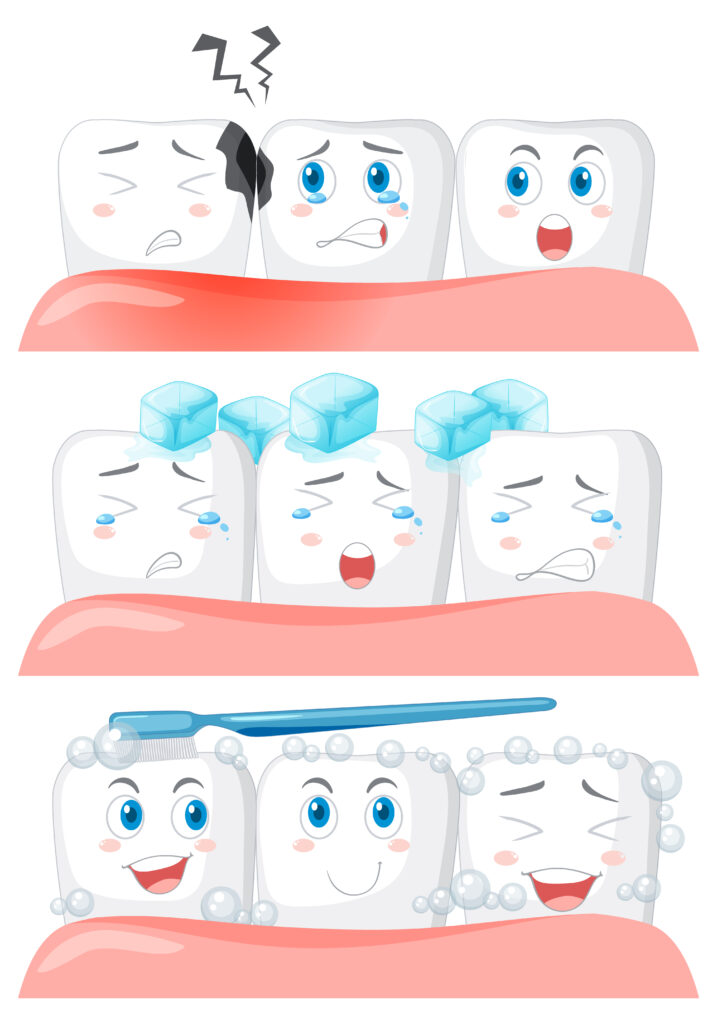
A filling or crown protects sensitive parts of your tooth from exposure. Losing them can cause discomfort and leave your tooth vulnerable to decay or infection. Common signs include sharp pain when chewing or sensitivity to temperature.
Losing a filling or crown might not appear to be an urgent emergency. However, it can escalate if not replaced promptly. Your dentist can repair or replace the restoration and restore your smile quickly.
Treatment for lost or broken fillings or crowns involves replacing them with a new, custom-fit version. Re-cementing an existing crown, if it is intact, is also possible. Your dentist can also replace the filling and examine the tooth structure for additional decay.
5. Oral Infection or Abscess
An oral infection or abscess is one of the most critical dental emergencies. Abscesses form near a tooth’s root or the gums, often causing severe pain, swelling, or even fever. Left untreated, the infection can spread to other parts of your body, posing life-threatening risks.
If you notice gum swelling, a pus-filled bump, or extreme tooth sensitivity, contact a dentist immediately. Do not attempt to drain an abscess yourself, as this could worsen the infection. Your dentist will treat an oral infection or abscess by draining it to provide relief and address the infection. They can also prescribe antibiotics to manage infection and stop it from spreading.
Root canals or dental surgery may be recommended, depending on the abscess’ severity and location.
How to Find a Reliable Emergency Dentist
Check Availability
Read Reviews
Look for dentists who offer emergency services 24/7. Dental emergencies do not follow regular business hours, so it is best to have access to immediate care.
Search online for patient reviews and ratings. These will help you understand how other people feel about the dentist’s services and care.
Ask About Experience
Make sure the dentist has experience handling emergencies, which you can confirm by calling their office.
It is also vital to consider if they handle special cases, like pediatric emergencies. If you have a child with an oral emergency, it is best to find a kids’ dentist near you.
Consider Location
Choose a dentist near you who is close to your home or workplace. Quick access is crucial during an emergency.
Verify Payment Options
Before an emergency happens, check if the dentist accepts your insurance or offers payment plans. This will save you from unexpected costs later.
Preparing in advance will help you feel confident and ready when the need for an emergency dentist arises.
Emergency Dentist Near You in Texas
Understanding these five emergencies will help you respond effectively when the need arises. Acting quickly can prevent complications, alleviate pain, and even save a tooth. At MyCHN, the best dental office near you, we prioritize your dental health and well-being.
Our team remains committed to providing expert care, prompt solutions, and peace of mind during difficult times. If you experience a dental emergency, do not hesitate to reach out to us. Call us at (281) 824-1480 or use our secure online appointment request form to book an urgent consultation. We also offer free consultations for veneers, mini-implants, and dental whitening.
The best emergency dentist near you looks forward to serving you!