
March is the beginning of daylight savings. Springtime brings more sun and shorter nights, so what do you do about your sleeping pattern?
Whenever daylight savings rolls around, you might wonder who came up with the idea and why we must change the time. Well, it was officially adopted in 1918 by the United States and was used to help in World War I. Daylight savings, known as wartime back then, was a national defense strategy observed for 6 months to help the country conserve its energy resources during the war. Once the war was over, daylight saving was unpopular with the masses for obvious reasons, but it was never removed. So, here we are, still observing daylight saving time.
The truth is that daylight saving is still very unpopular among the masses, but there may be some good news. In early 2022, the government voted to stop daylight saving time. Though there was a unanimous vote in the Senate, the House still needs to finalize the details of the Sunshine Protection Bill and vote on it. So, until they decide and eventually send it to the President’s desk for approval, we are stuck with daylight savings.
There is some controversy over the bill and concept in general, but for the most part, the masses all feel the same; we don’t really need to change the time anymore. We’re sure you feel the same way, so let’s talk about how it affects your sleep.
Do You Really Lose Sleep From Daylight Savings?
From November to March, we have a standard time. This is the time that the rest of the world follows and what we know to be our “extra hour of sleep.” While it might feel like we are getting an extra hour, this is what we should have all year round. You wake up seeing the sun and not darkness, and that is what many professionals are fighting over.
The change in time makes us sleep later at night, which results in sleep loss. Most of us have gotten used to a sleeping schedule or pattern for 5 months, and suddenly we have to change it. This naturally negatively affects the quality of sleep we have. Technically, we have the same amount of time to sleep, but our body is affected by light and darkness. Light and dark are cues to our body for alertness and sleepiness. When we see the light in the daytime, we tend to be more alert, and vice versa for darkness. The one-hour time shift results in us experiencing less light in the morning and more light in the evening. So, you can imagine what signal this sends to our body.
Essentially, standard time is best for our sleep because it best aligns with our body’s needs. We work on the timing of the sunrise and sunset, so we should stick to it.
What Can You Do To Mentally & Physically Prepare Yourself
Unfortunately, we must wait for the government’s final decision; until then, we will change the time. Some studies show that our body never really acclimates to daylight saving, so preparing your body for the time change is important. Here are some tips that you can use to prepare yourself physically and mentally.
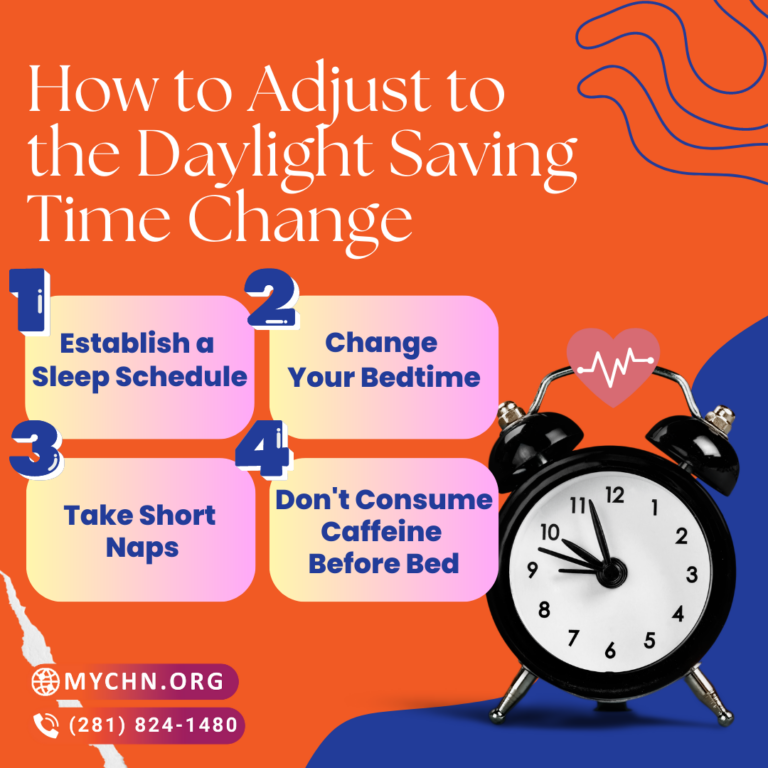
- Establish a Sleep Schedule: Train your body to go to bed and wake up at the same time every day. This way, you may feel less tired. This healthy sleep hygiene practice is an easy way to prepare for the time change. Always aim for 7 hours of sleep, and you’ll be good.
- Change Your Bedtime: 2 to 3 days before daylight saving, sleep and wake up 20 minutes earlier than you usually would. This can help with a smoother transition once the time finally changes.
- Take Short Naps: If it’s possible for you to take a short nap during the day, do it! These naps in the afternoon can give you the boost you might need during the day. It’s recommended that they are no longer than 20 minutes, or you’ll wake up feeling more tired.
- Don’t Consume Caffeine Before Bed: Caffeine is used to help keep you awake, so don’t have any too close to your bedtime. Having caffeine 6 hours before bedtime can disrupt your sleep cycle, so avoid it during the evening.
What States Are Stopping Daylight Saving?
A few states have decided they are just not going to follow daylight saving, and that’s fair enough. Check below to see if your state is among them. If not, your time would have changed by now. We apologize for the inconvenience, but make sure to use the tips above to get your sleep schedule back on track.
States & Territories Not Changing the Clock
- Alaska
- Guam
- American Samoa
- Virgin Islands
- Hawaii
- Arizona