Healthcare is a complex journey that is often filled with complicated medical words, specific processes, and, in the end, you, the patient, have to make a choice. For the most part, most patients did not attend medical school and are usually unfamiliar with some of the words and terms that doctors and nurses use when speaking to them. This can make one feel lost in the web of healthcare.
This is where healthcare literacy comes in. Today, we’re going to dive into the concept of healthcare literacy: what it means, how it benefits you as a patient, and the components that essentially allow you to understand the use of the healthcare information and services available to you.
What is Health Literacy?
When you think of the words healthcare literacy, what comes to mind? Probably the healthcare system, your doctors, nurses, physicians, therapists, and much more. And in addition to that, probably the word comprehension or understanding.
According to the CDC, there are two kinds of health literacy: Personal Health literacy and Organizational Health Literacy.
- "Personal health literacy is the degree to which individuals have the ability to find, understand, and use information and services to make informed health-related decisions and actions for themselves and others.” (CDC)
- “Organizational health literacy is the degree to which organizations equitably enable individuals to find, understand, and use information and services to inform health-related decisions and actions for themselves and others.” (CDC)
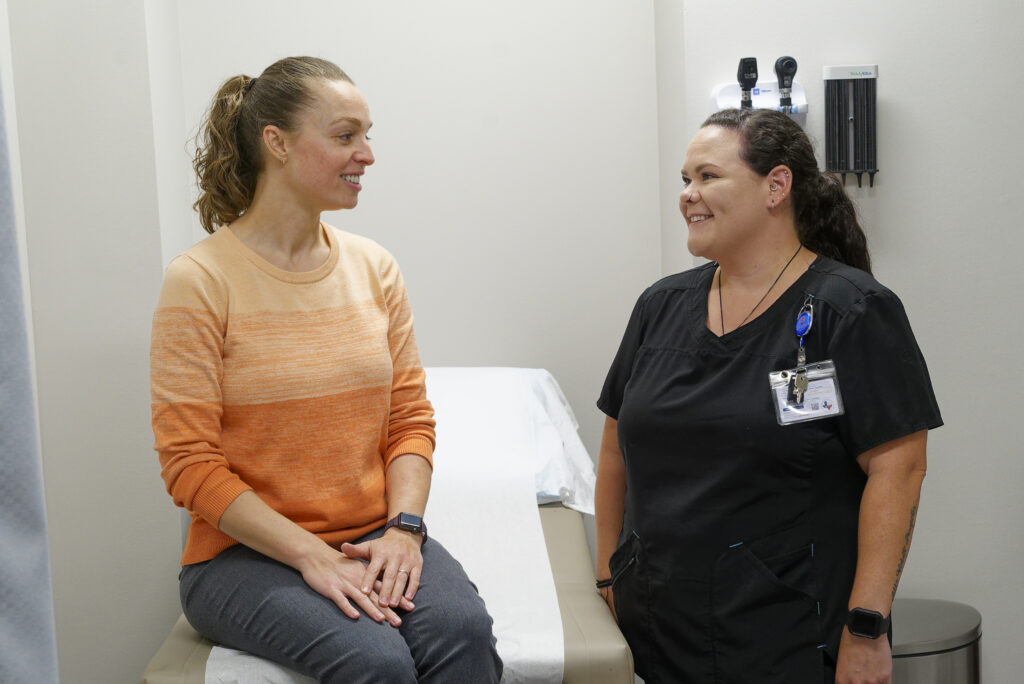
The definition has recently been changed to include both patients and healthcare organizations. This is because health literacy is more than just being able to read health-related documents or comprehend medical terms. It includes the capacity to access, understand, evaluate, and apply healthcare information to make informed decisions about one’s health. This ultimately involves healthcare organizations addressing what the system has been like in the past for patients and actively making things “easier.” Clarity and effective communication within the healthcare system also influence health literacy.
The Significance of Health Literacy For Patients
When you hear the words health literacy, I want you to think about trust. Trust is an important part of your interaction with the healthcare system. If you can’t trust your doctor, how can they help you get healthier?
Things like language and bedside manners play a role in how you feel about your care, and this is what health literacy is for patients. It empowers patients to actively participate in their care. When individuals understand their health conditions and treatment options, they can make choices that align with their values and preferences. Additionally, research has shown that strong health literacy skills between doctors and patients have increased effective communication. You’re more likely to be truthful about your symptoms, concerns, and goals, leading to better diagnoses and treatment plans. Ultimately, all of this boils down to trust between you and your doctor or nurse.

Tips for Improving Health Literacy
Now that you have a better understanding of health literacy, here are some useful tips that you can put into practice.
For Patients:
- Ask Questions: Don’t hesitate to ask your healthcare provider to explain medical terms in plain language.
- Seek Reliable Sources: When researching health information online, only visit trusted sources like government health agencies, medical associations, academic institutions, etc.
- Take Notes: Bring a notepad or use the notes on your phone during your appointments and jot down important information, including diagnosis, treatment plans, and medication instructions.
- Bring a Trusted Friend or Family Member: We like to call this having an advocate. Having someone you trust to come with you to your appointments is a great way to have additional support and help you remember information.
For Healthcare Providers and Staff:
- Use Plain Language: Avoid medical jargon and use clear, simple language when communicating with patients.
- Confirm Understanding: Encourage patients to repeat and ask questions about what they’ve heard to ensure that they understand you clearly.
- Be Patient: Allow patients the time to ask questions and express their concerns. Active listening is key to effective communication.
- Training and Education: Healthcare staff should receive training on health literacy to better understand its importance and learn practical strategies for improving it.
Trust is At The Center of Good Healthcare
If there is one thing we want you to remember, it’s that trust is at the center of good healthcare. Health literacy is a fundamental aspect of healthcare that benefits everyone involved, from patients to healthcare staff. As a patient, when you feel like you’ve been given information you understand, you can make better decisions, resulting in better results.
References

Tolulope Ayoola
Tolulope Ayoola is the creative marketing content writer at MyCHN. She graduated from the University of Houston-Downtown with a degree in Technical Communications. Her goal and mission is to make healthcare patient content more relatable and interesting to interact with. She combines her creative eye with her technical communication skills to create content for patients. Tolu's past work includes creating blogs, press releases, and social media content for different sectors. She enjoys spending time with her family, writing, and listening to music & podcasts.