Agricultural Worker Health

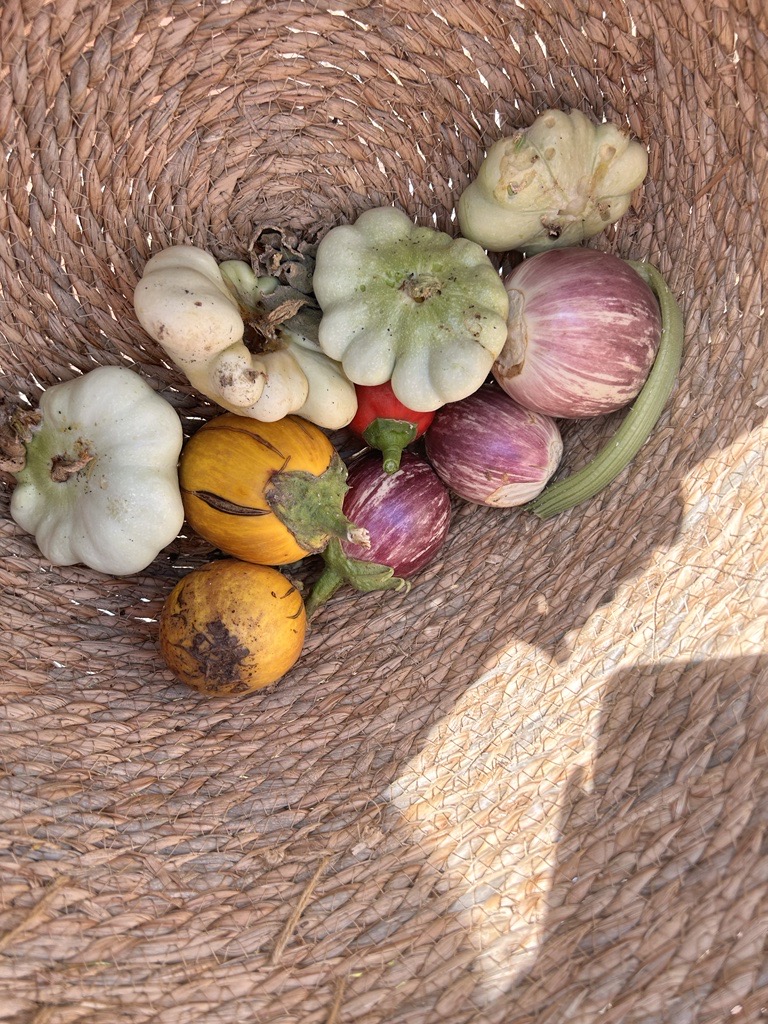
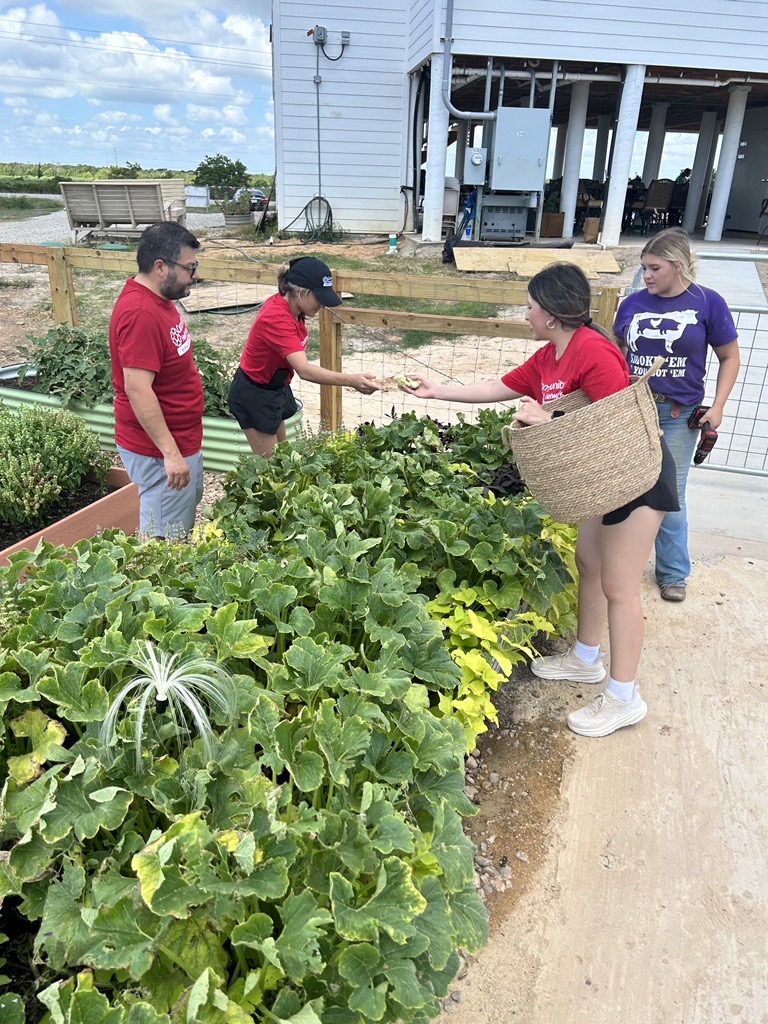
Today is National Agricultural Worker Health Day, and it is crucial to recognize and address the unique health challenges our agricultural workers face as we celebrate National Health Center Week. These hardworking individuals play a vital role in putting food on our tables; their well-being is more than essential to our health and economy. As a health center committed to providing whole-person care for all, we want to shed light on the significance of agricultural worker health and the steps health centers across the nation take to ensure their well-being.  

About 175 community health centers receive funding to serve agricultural workers. Agricultural workers lead physically demanding lives, working long hours under the scorching sun and being exposed to various environmental hazards. Their commitment to ensuring a steady supply of fresh produce comes at the cost of their health. Our health center understands the importance of safeguarding the well-being of this community workforce.  

Here are 5 of the ways that health centers address the health of agricultural workers:  

1. Occupational Health Screenings
Regular health screenings are essential to identify and address potential health issues early on. Health centers offer comprehensive occupational health screenings tailored to the unique needs of agricultural workers.
2. Injury Prevention and Treatment
Agriculture can be physically demanding, leading to a higher risk of injuries. So many health centers provide resources for injury prevention, education on proper lifting techniques, and prompt treatment for any work-related injuries.
3. Heart-Related Illness Prevention
Working in hot and humid conditions puts agricultural workers at risk of heat-related illnesses. Therefore, health centers educate workers about the importance of hydration, rest breaks, and protective clothing to mitigate these risks.
4. Pesticide Safety Education
Pesticides are a necessary part of agriculture but pose potential health risks. Pesticide safety education is provided to workers to understand the proper handling and usage of these chemicals.
5. Access to Comprehensive Care
Health centers ensure that agricultural workers access a full range of medical services, including preventive care, vaccinations, and chronic disease management.

MyCHN is proud to be a part of a community that values the health and well-being of our agricultural workers. During National Health Center Week, let us collectively support and advocate for the health of these essential contributors to our society. 
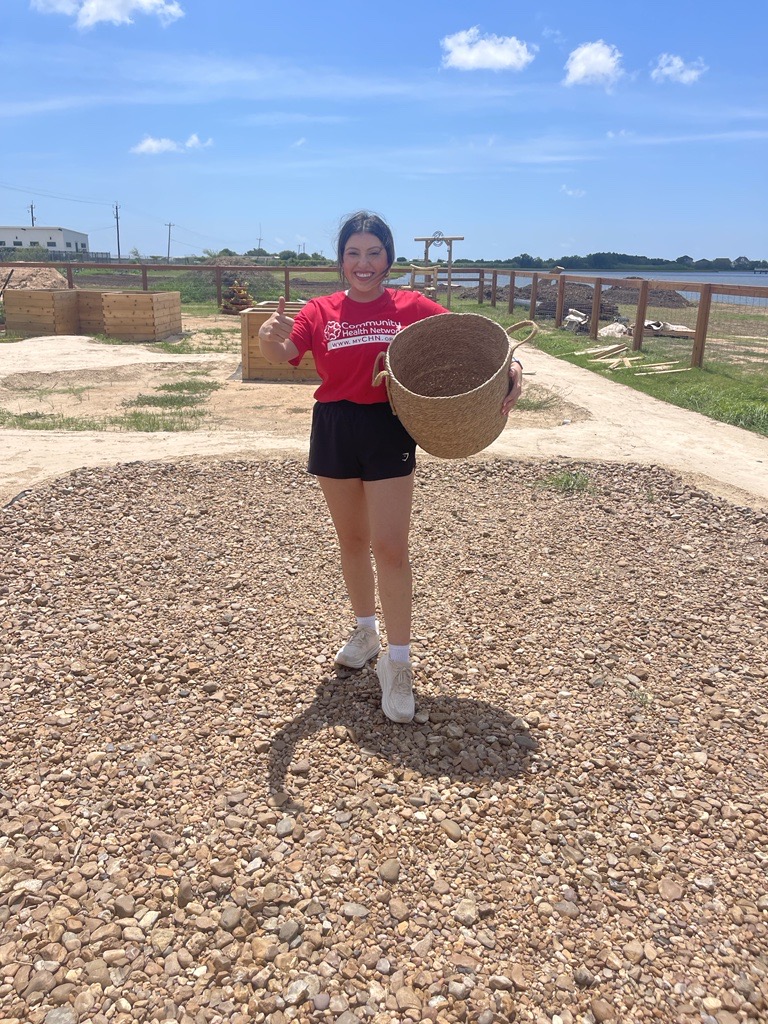
Picture of Tolulope Ayoola

Tolulope Ayoola

Tolulope Ayoola is the creative marketing content writer at MyCHN. She graduated from the University of Houston-Downtown with a degree in Technical Communications. Her goal and mission is to make healthcare patient content more relatable and interesting to interact with. She combines her creative eye with her technical communication skills to create content for patients. Tolu's past work includes creating blogs, press releases, and social media content for different sectors. She enjoys spending time with her family, writing, and listening to music & podcasts.

* This blog provides general information and discussions about health-related topics. If you or any other person has a medical concern, you should consult your healthcare provider and seek professional medical treatment. Some of the information and content in this blog has linked materials. The links should and are not intended to be construed as medical advice and should not be supplemented as medical advice. If you think you may have a medical emergency, locate emergency services or dial 911.

share this entry

Facebook
Twitter
LinkedIn

Become a MyCHN Patient

Complete a simple registration form to access care. Eligibility services are available.

LATEST ARTICLES