Caffeine. Best taken at the beginning of the day to help get the day started and just as good during the day to keep us awake. Many people rely on some form of caffeine to get them going and keep them going. There are benefits to having caffeine, but as humans, we sometimes tend to overdo it.
If you’re a caffeine fanatic like me, you probably have multiple forms of caffeine throughout the day. You may not be thinking about how it’s affecting your body and if you’re having too much. Is there such a thing as having too much caffeine? The short answer is yes. Everything should be enjoyed in moderation, and that includes caffeine. When you hear the word caffeine, you may initially think of just coffee or energy drinks. These are the most common ways we consume caffeine, but certain foods also have it. If you’re combing those foods with your drinks or just having the drinks alone, you’re probably having too much caffeine.
The Effects of Caffeine
Let’s put things into perspective. As a healthy adult, you should only consume 400mg of caffeine per day. So, what does this look like? This is about 4-5 cups of coffee a day or 10 cans of Coca-Cola. As a healthy teen, you should only consume 100mg (1-2 coffee cups) a day or 2 cans of Coca-Cola. This is just the recommendation for how much your body should be able to take. In reality, your body may not be able to take this much or may be able to take a little more.
How do you know if you’ve had too much caffeine? Your body will give you signs if you’ve had too much caffeine. It’s important that you pay attention to these signs and don’t go over your limit.
- Jitters
- Fast heart rate
- Insomnia
- Anxiousness
- Headache
- Upset stomach
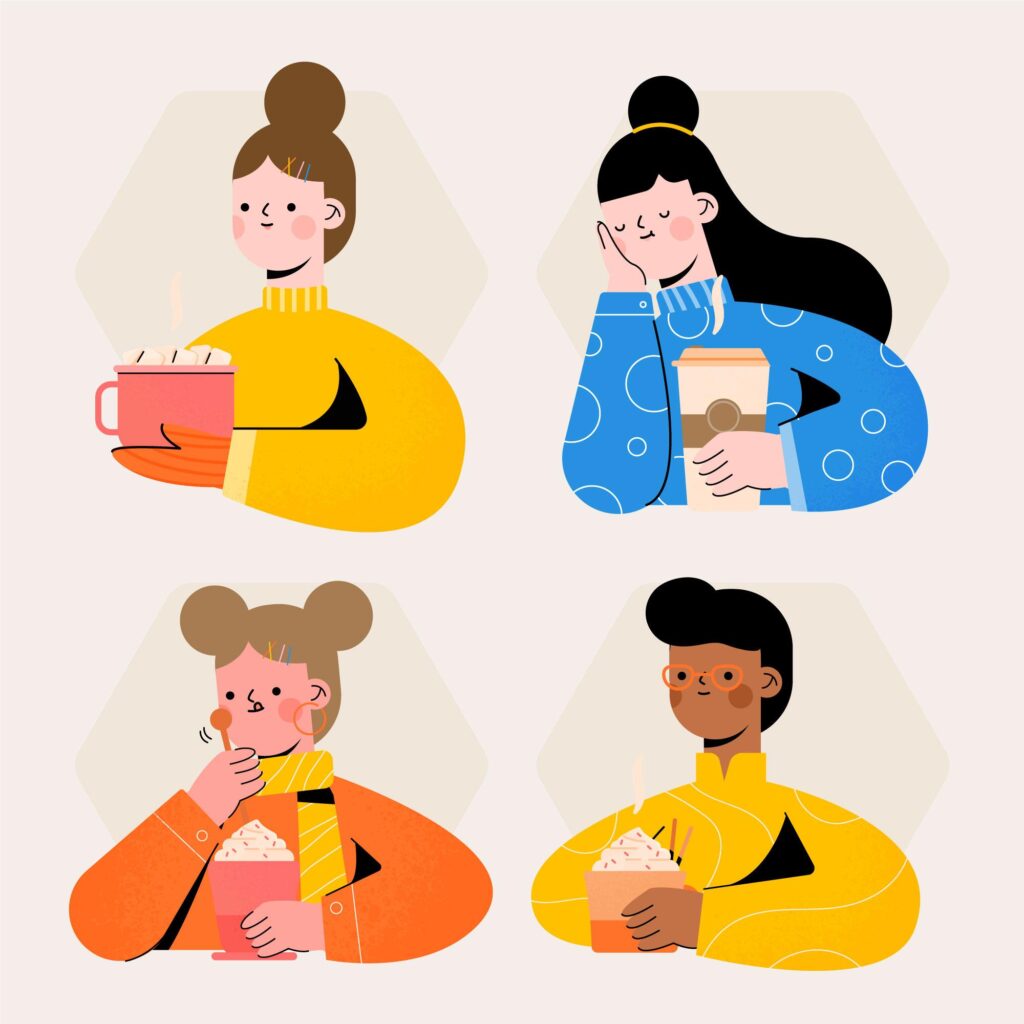
Going over your limit poses a danger to your health that can be prevented. The dangers that come with overexposure to caffeine include toxic effects like seizures. It’s recommended not to have any caffeine past 2 or 3 pm. Your body needs time to process the effects, and because caffeine disrupts sleep, you may find it harder to sleep because the caffeine is doing its work. Your caffeinated drink should keep you awake for about 6 hours, depending on how much caffeine is in it, so keep that in mind.
How Much Caffeine is In This?
Here are some of the more common ways we have caffeine, check out how much caffeine is in each one.
| Coffee | Tea | Energy Drinks | Soda |
|---|---|---|---|
| Drip Coffee from home (8oz):
70-140mg |
Green Tea (8oz): 28mg | Energy Drink (8.4oz):
80mg |
Can (12oz): 34-54mg |
| Drip Coffee from a coffee shop (8oz): 150-350mg | Black tea (8oz): 47mg | Energy Drink (16oz): 160-300mg | Bottle (20oz): 57-90mg |
| Latte from a coffee shop (16oz): 135-170mg | Sweet iced tea (16oz): 32-94mg | Energy Shot (2oz): 215mg | Large Soda (30oz): 85-135mg |
| Expresso shot: 40mg | |||
| Cold brew (16oz): 174-205mg |
*Tip: Check the nutrition label on your drink or food to see how many milligrams of caffeine you are consuming*
A Better Way To Get Your Daily Dose of Caffeine
If you’re looking for a different way to get your daily dose of caffeine, try other options besides coffee and energy drinks like tea and chocolate. If you’re trying to reduce your caffeine intake, track what you’re drinking or eating and when you’re having it.
What if I get decaf? If you want the taste of coffee and get decaf, you might think you’re doing yourself a favor. The truth is that decaf means that your drink has less caffeine than the original recipe. So, you are reducing the amount of caffeine, but there’s still some in the drink.
It’s essential to pay attention to your body. Now that you know how much you should have don’t exceed the limit. Aim to have your caffeine before 3 pm and see how much that helps. If you’re trying to cut caffeine, do it slowly. Your body is used to the levels of caffeine you’ve been having, so instead of stopping abruptly, reduce your daily amount.
Resources
https://www.fda.gov/consumers/consumer-updates/spilling-beans-how-much-caffeine-too-much