Flu season is around the corner, and it is important to stay up to date on the most recent health information to keep our loved ones safe. Recently, there has been a rise in the cases of Respiratory Syncytial Virus (RSV) which is like the flu in its symptoms and infection rate; however, RSV can cause severe illness in young children. To ensure your children and family members are staying safe, healthy, and sanitized this flu season it is important to know how to identify the differences between RSV and the flu.
How to Identify RSV
Like the Flu, RSV is a very common illness with most people being exposed to it by the age of 2; however, infants (babies younger than 12 months) are at high risk of experiencing a more severe infection. With other populations at risk, it is important to identify the differences between the flu and RSV as RSV is also spread through coughing and sneezing—especially during the colder seasons. Below are differences between symptoms of the Flu and RSV, but if there is ever any doubt on whether your loved one is experiencing a severe RSV infection, please seek medical attention from your doctor.
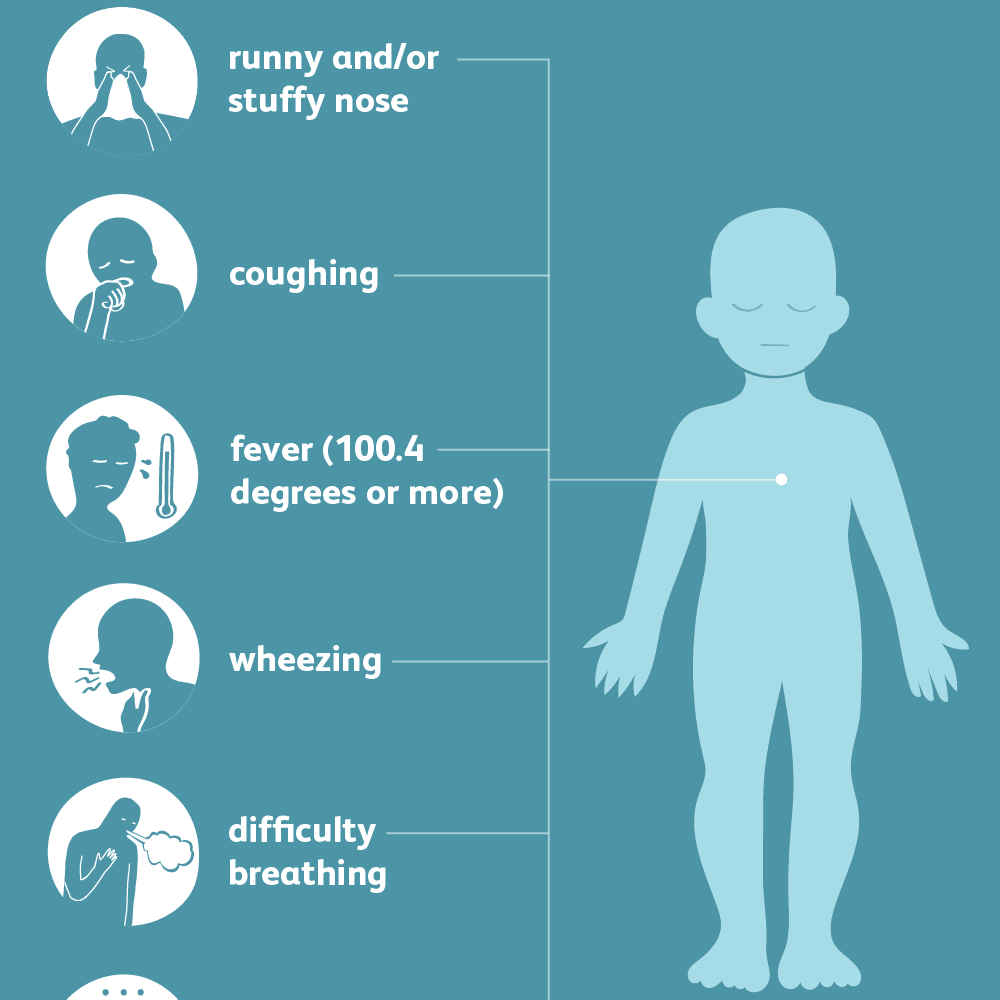
RSV Overview Chart (Verywellheath.com | Gary Ferster)
Flu:
- Typically begins with a High Fever (100.4 degrees or higher)
- Body Aches and Pains
- Can be prevented with a Flu Shot
RSV:
In adults and older children:
- Congested or runny nose
- Dry Cough
- Low-grade fever (99.3-100.3 Degrees)
- Sore Throat
- Sneezing
- Headache
For infants and older adults:
- Fever
- Severe Cough
- Wheezing—a high pitched noise that is heard when exhaling
- Rapid Breathing or Difficulty Breathing
- Bluish color of the skin due to lack of oxygen
(Provided by The Mayo Clinic)
Overall, RSV is a common illness among most people but can be severe for at-risk populations. Moreover, with Flu season and COVID-19, it can be even more difficult to identify the differences among sickness. Be sure to practice healthy habits such as washing your hands and visiting your doctor. If you would like more information on how Community Health Network can help you and your loved ones stay healthy, please feel free to call (281-824-1480) or visit our website at mychn.org.
References and more resources: