You care about your health. That is why you visit the doctor and get check-ups, but what if you could get that same care from your home? There is an amazing new program that many medical facilities are taking advantage of for a reason. It’s called Remote Patient Monitoring.
What Is Remote Patient Monitoring?
Let’s dive right into it. You may have heard of remote patient monitoring because it’s a program becoming more popular since virtual visits are now a usual way to receive care. Having a relationship with your primary caregiver is important in more ways than you can count. This relationship allows you to speak freely with your doctor and get the quality care you need or did not know you needed.
Now think about this. You’re able to get the same high-quality care from the same provider in the comfort of your home. That is Remote Patient Monitoring, a convenient process to keep your provider and you up-to-date on your health. You will be given a series of medical devices used to collect your medical information on a daily basis.
There is a list of vital signs and medical measurements you’ll be able to take with the provided equipment. With this, your primary care doctor can see the health information data and check on you without you leaving your home. This specific service is revolutionizing the way that patients can get care. Especially patients who find themselves visiting the emergency or heading to checkups frequently.
Who is the RPM Program For?
This takes us into who the RPM Program is for and who will get the most value. As mentioned earlier, the program tends to be the perfect fit for patients who find themselves visiting the emergency room or going for checkups frequently. But that seems really vague, so let’s make it a little more specific.
For the most part, patients enrolled in the Remote Patient Monitoring program are patients who have chronic medical conditions. This is because they need to be monitored a little more than other patients. These patients are able to check the vitals and medical measurements like when they visit their doctor’s office, but this time from home. If there is an influx or change their doctor will be able to see the change and schedule them an appointment to come into the clinic. It essentially reduces frequent travel and allows physicians to catch any minor or drastic changes on time.
Here is a list of some of the patients eligible for the RPM Program. Patients suffering from:
- Alzheimer’s Disease & Related Dementias
- Heart Failure
- Hypertension (High blood pressure)
- Obesity
- Stroke
- Cardiovascular Disease
- Asthma
- Diabetes
- Cholesterol
- And Other Chronic Conditions
If you have any of these conditions, you might want to ask your primary physician about Remote Patient Monitoring. If you are not sure if this is an approach you want to take, you can always have that conversation with your physician. It’s always a great time to have this open-ended conversation with your doctor and understand that RPM is a great resource and program for many patients, including you.
What Technology Comes With RPM
Think about this program as a virtual service. As we mentioned, you don’t have to worry about frequent transport. But what really makes that possible is the use of technology.
When you sign up for remote patient monitoring, a few medical devices will be sent to you. The equipment that will be given to you depends on the type of condition you’re being monitored for, but there is one essential piece of equipment that can be provided for everyone in the program: a tablet with internet access.
The tablet provided is where patients will be able to log into their portal. In the portal, they can log in their medical information daily. Some of the other medical equipment will be connected to the tablet, to ensure proper reading and electronic records delivery.
Some of the medical equipment that might be given to a patient includes:
- Blood Pressure Monitor
- Pulse Oximeter
- Scale
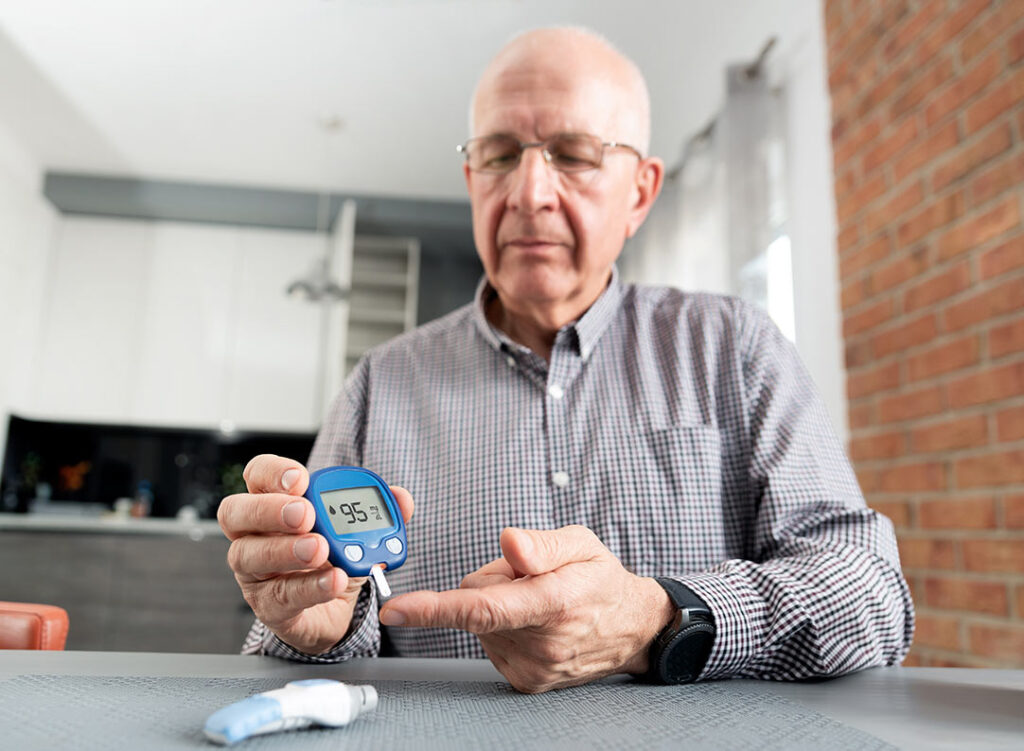
- Blood Glucose Monitor
Patients will be given instructions on how to use the equipment they have. And with this system, as stated before, doctors can see daily records of the patient and can call or message them as needed.
Benefits of RPM
The reality is that many are adopting this program because it comes with a variety of benefits. Physicians care for all their patients and each patient has a different need. Of course, they keep up with these needs, but some patients need to be monitored more than others. This easily allows them to do just that, and this also does the following:
Reduce Hospital Readmissions
Because doctors can track patients’ vitals, there are fewer visits to the emergency room. Usually, vitals are not tracked as frequently. But for someone with a chronic condition, he/she needs to have these checked often. But what happens if patients wait without knowing things are getting worse? They end up in urgent care or the emergency room. With RPM, there is active vitals tracking. So, problems are caught on time, and visits to the emergency room are reduced.
30% Increase in Doctor Visits
Patients visit the doctor when they know something is wrong. But what happens when they do not think the slight change in their glucose level is a big deal and do not visit the doctor? So, with RPM, when there is a slight or major change in a patient’s vitals, their primary doctor or team of physicians sees it. Thus, allowing them to schedule follow-up visits.
Patients Feel Cared For More By Their Doctors
When a patient knows that their doctor is taking time out of their day to check on their well-being, that means a lot. This is one of the benefits that patients give feedback on. They love that their doctor contacts them to make sure everything is okay and even gives them tips if needed. This allows for a one-on-one relationship between the doctor and the patient. It is the effort that allows the RPM program to make patients feel cared for.
In general, there is better patient satisfaction with RPM, and the focus on whole-person care is being accomplished.
Remote Patient Monitoring at Community Health Network
If you are thinking about using the Remote Patient Monitoring program yourself, you can contact Community Health Network. This is one of the services that we have available to patients at our many locations.
Remote Patient Monitoring is usually covered by Medicare, Medicaid, and other private insurances. If you don’t have insurance that is nothing for you to worry about. We have a sliding scale system that can help you.
So, find a location near you and call today to get more information about Community Health Network’s Remote Patient Monitoring Program.