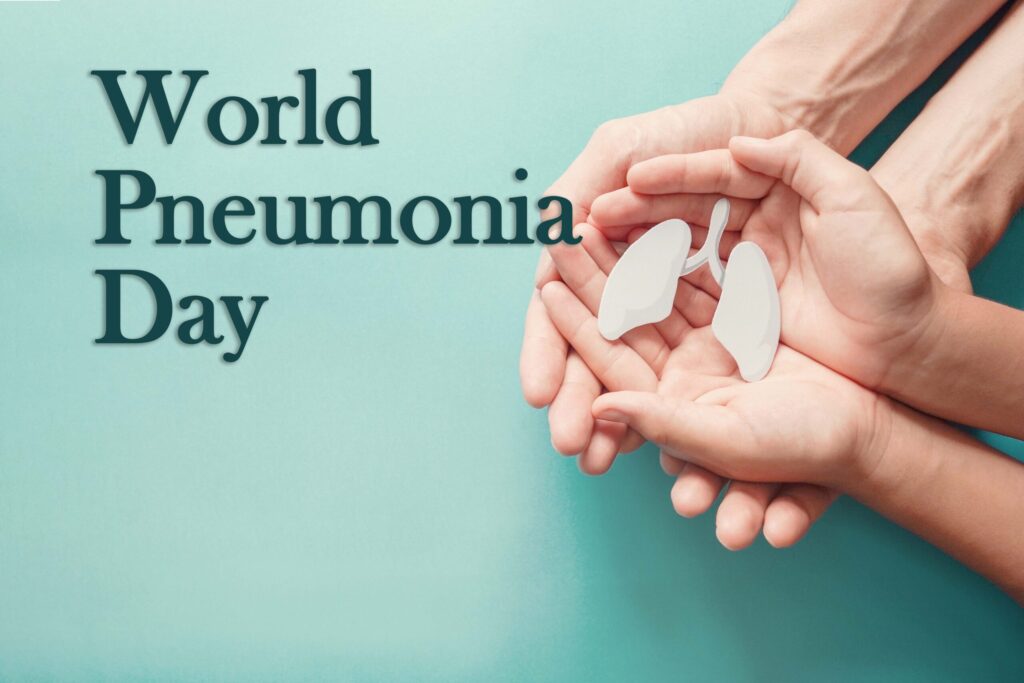
For the first time, World Pneumonia Day—November 12th, 2021—will be held during a global pandemic, drastically increasing pneumonia deaths. Pneumonia is the world’s most prominent infection killer of adults and children, with COVID-19 exacerbating its death rates through its respiratory infection and disruption of our healthcare system. This World Pneumonia Day calls for many to increase their understanding of respiratory infection while recognizing the importance of sanitary practices.
COVID-19 and Pneumonia:
Pneumonia and COVID-19 have various similarities: Pneumonia is an infection that inflames the air sacs in the lungs, causing them to fill with fluid or pus, leading to cough, fever, chills, and difficulty breathing. Pneumonia is most serious for infants and young children, people older than 65, and people with existing health problems or weak immune systems. With some of its mild symptoms mimicking COVID-19, severe cases of COVID-19 can lead to pneumonia developing. The havoc it wrecks can be life-threatening.
The symptoms of severe pneumonia damage the body. These symptoms include difficulty breathing, chest pains, persistent fever, coughing, shortness of breath, nausea, and fever. While these symptoms are generally manageable, the recent pandemic has raised the death rate for pneumonia. The rise of COVID pneumonia is like regular pneumonia in its symptoms. Its exacerbated death rate, however, extends from the damage lungs experience by the coronavirus. Thus, when COVID pneumonia occurs, it often presents in both lungs rather than just one—increasing the severity of the infection. The increasing seriousness surrounding COVID-19 and pneumonia, thus, calls for many to maintain healthy sanitation habits.
Prevention:
Pneumonia is often the product of bacteria. Most of these bacteria and viruses come from the air we breathe, gesturing towards the high prevalence of community-acquired pneumonia. Below are tips to preventing Pneumonia as listed by the Mayo Clinic:
Get vaccinated
Vaccines are available to prevent some types of pneumonia and the flu. Talk with your doctor about getting these shots. The vaccination guidelines have changed over time, so make sure to review your vaccination status with your doctor, even if you recall receiving a pneumonia vaccine.
Make sure children get vaccinated
Doctors recommend a different pneumonia vaccine for children younger than age 2 and for children ages 2 to 5 years who are at particular risk of pneumococcal disease. Children who attend a group childcare center should also get the vaccine. Doctors also recommend flu shots for children older than 6 months.
Practice good hygiene
To protect yourself against respiratory infections that sometimes lead to pneumonia, wash your hands regularly or use an alcohol-based hand sanitizer.
Don't smoke
Smoking damages your lungs' natural defenses against respiratory infections.
Keep your immune system strong
Get enough sleep, exercise regularly and eat a healthy diet.
Many of these healthy habits help prevent COVID as well. When practicing social distancing or healthy habits, people are not only preventing a particular disease, virus, or infection. Healthy habits make sure communities remain healthy against all bacteria and viruses. For November 12th and beyond, be sure to research and practice healthy habits to prevent COVID-19 and pneumonia.
Resources and References:
https://www.houstonmethodist.org/blog/articles/2021/jul/covid-pneumonia-how-long-does-recovery-take/
https://www.mayoclinic.org/diseases-conditions/pneumonia/symptoms-causes/syc-20354204
https://stoppneumonia.org/latest/world-pneumonia-day/
https://journals.physiology.org/doi/full/10.1152/ajplung.00462.2020