
Visiting a gynecologist for the first time can feel like a big step. Many people put off this visit because they are unsure or nervous about what will happen. Learning about the importance of gynecological health and what to expect can make the visit less stressful.
You may be going for a check-up, have questions about your health, or need advice about birth control. Whatever the purpose is, a gynecologist is there to help. This article will explain what happens during your first visit, so you can feel prepared and confident.
1. Purpose of the Visit
Your first appointment with a gynecologist does not have to be intimidating. It is an opportunity to do the following;
- Discuss your health
- Ask any questions you may have
- Create a baseline for your reproductive care
- These visits are not only for those experiencing issues but also for preventive screening. In addition, they are beneficial when it comes to general education about sexual health and wellness.
Most healthcare providers recommend scheduling the first gynecology visit between the ages of 13 and 15. Parents can help their children understand what this visit means, so they can be comfortable with it. This way, teens know how they can take care of themselves better.
Alternatively, you can have the first visit when you become sexually active. This appointment is more about starting a relationship with your gynecologist than invasive procedures.
2. Initial Paperwork and Medical History
When you arrive, the first step will involve filling out some paperwork. This typically includes the following:
- Providing details about your medical history
- Providing details about any medications you are taking
- Providing details about your family health history
You may also have to answer questions about your menstrual cycle and sexual activity. In addition, they may inquire about any symptoms or concerns you might want to discuss.
Be as honest as possible when completing these forms. The more information you provide, the better your doctor will understand your unique situation and health needs.
3. Discussion with Your Gynecologist
Before any exam begins, you will have a one-on-one conversation with your gynecologist. During this discussion, you can talk about any concerns, symptoms, or questions you may have.
Common topics include irregular periods, birth control options, and sexually transmitted infections (STIs). There will also be a discussion about well-woman exams and general reproductive health.
This portion of the visit is a safe space, so do not hesitate to bring up anything on your mind. Your gynecologist is there to help you, not to judge you.
4. The Physical Examination
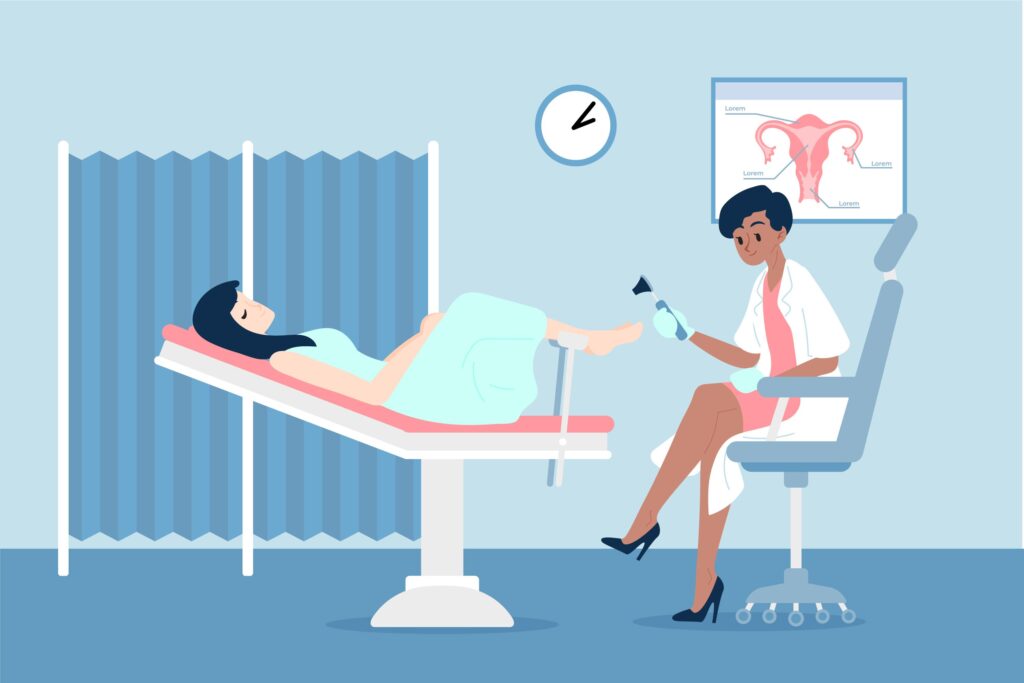
If the gynecologist decides a physical exam is needed, they will first explain what will happen. They will also explain why it is important. Remember, you are in control. If you feel uncomfortable at any point, you can ask questions or request a pause.
Basic components of the physical exam may include:
General Checkup
Your height, weight, and blood pressure may be recorded at the beginning of the appointment.
Breast Exam
Depending on your age, your gynecologist may perform a quick breast check. This is done to assess for any irregularities.
Pelvic Exam
This is often the part of the visit that people feel most anxious about. Your gynecologist will explain each step. This includes the use of a speculum to examine your vaginal walls and cervix.
If this is not a required part of the visit, your gynecologist might wait and perform this in later visits.
Pap Smear (If Necessary)
For individuals over 21 or those who are sexually active, a Pap smear may be done. This test is performed to screen for cervical cancer or abnormalities.
This involves gently collecting cells from the cervix with a soft brush. The physical exam is generally quick and should not be painful. If something feels uncomfortable, you should communicate this to your gynecologist right away.
5. Education and Next Steps
After the exam, your gynecologist will discuss their findings. They will also talk about potential next steps to address your concerns or ensure your overall reproductive health.
This is also the time to ask for resources or clarify any additional questions you may have. You might receive advice about maintaining a healthy lifestyle, managing menstruation, or using birth control.
Your gynecologist is there to empower you with the knowledge you need to take control of your health.
6. Your Comfort and Privacy are Key
Your comfort and privacy are important during every part of the visit. If you feel anxious, you can express this to your gynecologist.
It is also okay to request a chaperone or bring a trusted friend or family member for support.
Gynecologists are trained medical professionals who respect patient confidentiality. Anything you discuss will remain private unless it pertains to your safety or is required by the law.
Gynecologist Near You in Houston, TX
Your first gynecologist visit is an important milestone in managing your reproductive health. It is a chance to build a relationship with the best gynecologist near you who is committed to your health.
If you are ready to book your first appointment, the team at MyCHN is here to help. For your convenience, we have 14 locations near Houston, Texas. With our skilled providers and a commitment to personalized care, we are your trusted partners in health.
Call us at (281) 824-1480 or use our online appointment request form today to visit the best women’s clinic near you. Do not wait to take control of your health; your wellness starts here.
The best OBGYN near you looks forward to serving you!