
HIV is a topic that many don’t like to think about or talk about with others. It has such a strong stigma in many communities that it’s almost impossible to hear anyone talking about it publicly. And let’s not even talk about how little it’s talked about in private. The reality is that it shouldn’t be this way, and the stigma is really hurting many communities. Let’s get into what HIV stigma is, how much it’s affecting communities, and what you can do to stand up to these stigmas.
Describing HIV Stigma & Discrimination
To describe HIV stigma in general, these are the negative attitudes and beliefs about people with HIV and HIV in general. It’s a way that some prejudge and negatively label those who have it and make them feel bad about having it. This stigma is socially unacceptable, but it is still very much happening.
Something that comes with HIV stigma is HIV discrimination. Discrimination is something that may be talked about a little more than stigma. HIV discrimination is acts of people treating those living with HIV differently, and it comes in various ways.
The truth is that these stigmas, negative attitudes, and behaviors are irrational and negatively affect those with the disease. No one wants to be at the receiving end of discrimination, especially because of a disease or condition. Not only does HIV stigma and discrimination affect those with the disease, but it can also affect those at high risk. This can discourage them from seeking prevention, getting testing, or even speaking with someone (such as a partner) about safer options.
Common Stigmas
Stigma for HIV comes in different forms, but some common stigmas and prevailing myths still spread. Here are some of the common stigmas:
- HIV is not as much of a concern as it was before
- HIV only affects a particular group of people
- HIV is easily transmitted by touch
- HIV is a death sentence
Most of the time, these stigmas come from not being educated about the disease or passing on misinformation. Many have a fear of hearing these, so they don’t talk about it at all, which hurts them and their community, whether they like it or not. The wrong information being spread can lead to more discrimination. Here are some common cases of discrimination:
- Healthcare professionals refusing to provide care because a person has HIV
- A business not employing someone with HIV because they don’t want to help pay for their treatment
- Someone refusing casual contact (touch) with someone who has HIV
- Socially isolating someone because they are HIV positive
The Effects of HIV Stigma in a Community
The harsh truth is that HIV stigma drives many acts of discrimination in many sectors of our society. This includes healthcare, education, employment, the justice system, families, and of course, communities. These are racial, social, and economic communities that are being negatively affected by HIV stigma and discrimination. One of the main effects of stigma and discrimination is on the mental health and general emotional well-being of those with it. They can develop negative self-images of themselves and fear that they are being discriminated against all the time.
If they start to apply the stigmas they hear to themselves, then it’s called internalized stigma. It generally leads to fear of disclosing their status, isolation, and even depression.
Let’s get into those facts and numbers to see how much they are affected.
HIV Facts By Group
- 5 states alone make up almost half of the new diagnoses in the US. These states are California, Florida, Texas, New York, and Georgia. (The south has the highest number of people living with HIV)
- A high number of HIV cases in the US are found in metropolitan areas with large populations.
- HIV disproportionately affects two specific groups: people who engage in male-to-male sexual contact and African American & Latino people.
- Racial discrimination, poverty, lack of access to healthcare, and higher rates of incarceration increase how common HIV is in these communities.
- African Americans account for about 42.2% of HIV cases.
- Latinos account for about 28% of HIV cases.
- 81% of new diagnoses in the US were among men
- 18% of people ages 18 to 24 have sexual intercourse without using an HIV prevention strategy
- Many pregnant women don’t get tested for HIV during pregnancy.
There are so many staggering facts about those with HIV, and it almost always leads back to stigma.
Can You Stand Up to HIV Stigma
The only way to end the HIV epidemic is by standing up to stigma. It’s important to know that you can make a difference no matter who you are, and standing up against HIV stigma is a great place to start. You, as an individual, play an important role in getting rid of HIV stigma and discrimination. So, we want to let you know that it’s your responsibility to speak out when you hear someone speaking incorrectly about HIV or those who have it. Take the time to correct any myths or stereotypes you hear and let them know that they are spreading myths and they shouldn’t.
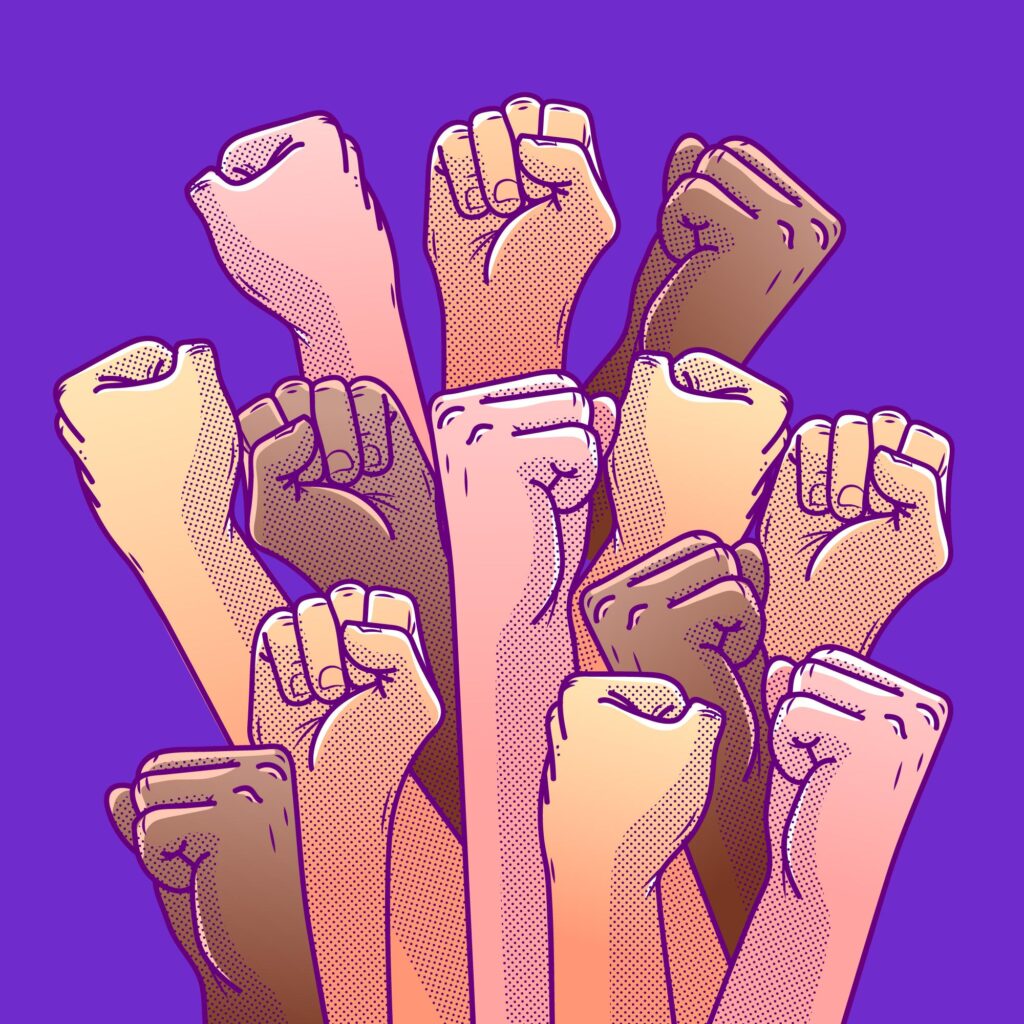
Be intentional about what you say about HIV and those who have it. Make sure you have the facts, inspire those around you to know their HIV status, and let them know that HIV is okay to talk about with others.
Resources
Healthline: How We Start Erasing the Stigma Around HIV
HIV.gov: Standing up to Stigma
Disclaimer: This blog provides general information and discussions about health-related topics. If you or any other person has a medical concern, you should consult your healthcare provider and seek professional medical treatment. Some of the information and content in this blog has linked materials. The links should and are not intended to be construed as medical advice and should not be supplemented as medical advice. If you think you may have a medical emergency, locate emergency services or dial 911.