When it comes to HIV and treatment, we first think about the treatment given when someone finds out they are positive. This is a great start, but there are more treatment options than just those. Thankfully with the help of advancements in technology and medicine, there is a prevention treatment. PrEP is the name of the HIV prevention medication that we’ll be talking about.
This form of treatment is known but maybe not as known as it should be. Having a treatment like this really does show how far we’ve come from when HIV was just being talked about. With that being said, it’s important to spread the word about PrEP and let people know that this is a treatment option. They don’t need to wait until they are HIV-positive before they start any treatment. In fact, they can prevent that HIV-positive status with the help of PrEP.
Explaining PrEP
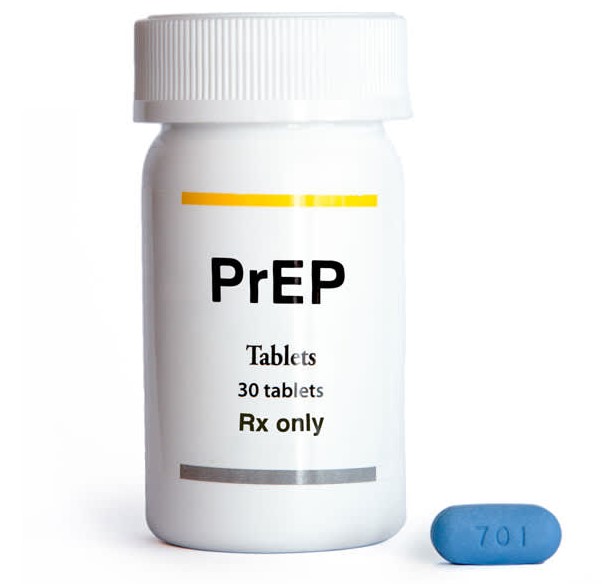
Let’s start by breaking down what PrEP is. The full meaning of PrEP is Pre-exposure prophylaxis. If someone ever feels like they have been in contact with HIV but are unsure, they have the opportunity to get and use PrEP. This is the only time the medication should be used, and it must be used in at most 48 hours to when that person is exposed. In addition, PrEP is also for those who believe, in general, that they are at high risk of getting HIV.
The word prophylaxis means to prevent or control. So, basically, the medication controls the spread of the disease in the body. In addition, it’s important to note that it can only be given to people who do not have HIV already. It is not a form or treatment after knowing you’re HIV positive. PrEP goes through the bloodstream and stops the HIV form from going through the rest of the body. In order for it to be as effective as it is, the person using it must use it every day.
PrEP the Pill & Shot
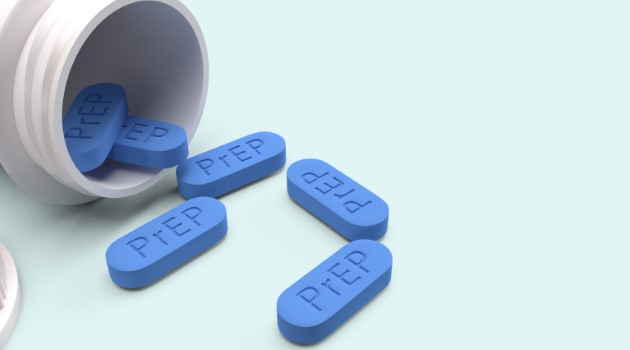
The CDC has approved 3 forms of PrEP, which are available in most healthcare facilities (it’s always important to confirm). To get PrEP, one must first visit their primary care doctor. In the case where an appointment cannot be made within 48 hours, you can also visit the emergency room. Once at the doctor, there will be options for the pill and a shot.
Deciding which one is best for you requires for the doctor to ask how you may have contracted the disease. For the pill, there are 2 options: Truvada and Descovy. Truvada is for those at risk through both sexual intercourse and injection use. Descovy is for those at risk through sexual intercourse alone. In addition, Descovy is not given to females who are at risk through vaginal sex. The pill, no matter which one is given, must be taken every day unless it is less effective.
There is only one approved shot form of PrEP, and it’s called Apretude. This can be given to those at risk through sexual intercourse who weigh at least 77 pounds/35kg.
Why You Should Consider this form of Treatment
This preventative method for HIV is a great resource and should be considered by those who may be in situations where they can be exposed to the disease. The effectiveness of this drug is 99% which is how much it reduces the risk of HIV. Considering its effectiveness and how often you may come in contact with HIV is how you should determine if this is a drug you should consider.
Many are using PrEP every day, and people in their outside world don’t know. Taking preventative measures is always a good step and should not come with a stigma. With most medications, there are usually side effects. Thankfully the side effects that come with PrEP are not serious and go away over time. The most common side effects include nausea, diarrhea, headache, fatigue, and stomach pain. In the case that any of these side effects do not go away or become severe, then speaking to a doctor is the best option, and they will help find another option.
If you have already started the pill but want to switch to the shot, it’s best to speak with your doctor first. They will help you decide which form is best for you and make the switch easy.
How Do I Know If PrEP is right For Me?
There is sort of a science to deciding if PrEP is right for you. There is a list of things that you can look at and check off to make your final decision. Take a look at the list below and think about whether PrEP is right for you.
- If you have an HIV scare and test negative
- If you have a sexual partner that is HIV positive
- If you have been diagnosed with an STD in the past 6 months
- If you don’t use protection, like a condom, consistently
- If you inject drugs
- If you have an injection partner with HIV
- If you share needles, syringes, or other injection tools
- If you continue at-risk behavior after a scare
If you’ve looked at this list and you’ve made a decision, that is great, but we have one more step for you. It is always a good idea to visit your primary care physician and discuss your options. Besides PrEP being a medication prevention form, there are other forms they might suggest. So, take the time to schedule an appointment with your doctor and talk about your options.
Where You Can Get PrEP
The great thing about PrEP is that it is available at most healthcare facilities. The CDC and the healthcare industry have realized how important it is for medication to be accessible. With that being said, once you visit your primary care physician or your local emergency room, you’ll be able to get PrEP. Additionally, it’s important to note that with or without insurance, the drug is affordable. Most health insurance will pay for the cost of the treatment. If someone doesn’t have insurance, there are ways to get PrEP for free by applying for a program or getting it at a discounted price.
At MyCHN, you can get aid for a discounted price on PrEP. We are taking this HIV initiative and educating communities and our patients. If you need an HIV test or you’re thinking about starting PrEP, schedule an appointment with our HIV initiative coordinators and start your HIV prevention program.
Resources
HIV.gov: Pre-exposure prophylaxis
HIV Info NIH: Pre-exposure prophylaxis (PrEP)
Disclaimer: This blog provides general information and discussions about health-related topics. If you or any other person has a medical concern, you should consult your healthcare provider and seek professional medical treatment. Some of the information and content in this blog has linked materials. The links should and are not intended to be construed as medical advice and should not be supplemented as medical advice. If you think you may have a medical emergency, locate emergency services or dial 911.