
Nowadays, it seems hard to avoid sugar. From drinking a Gatorade after working out to eating some fruit snacks, high amounts of sugar could be found in common foods we eat or drink. While delicious, too much sugar puts our health at risk for type 2 diabetes and prediabetes. Over 88 million adults have prediabetes and, of those 88 million, 8 in 10 of them don’t even know they have it. Prediabetes sounds frightening but proper care can help reduce its risks.

Lose Extra Weight
According to the Mayo Clinic: people reduced their risk of diabetes by 60% after losing approximately 7% of their body weight. The American Diabetes Association recommends people with prediabetes to at least 7% to 10% of their body weight to prevent type 2 diabetes. It is important to note that weight loss came from making a conscious choice to be more active and healthier. With a healthier lifestyle and reasonable short-term goals, losing weight is the first step to preventing type 2 diabetes.

Be more Physically Active
Being physically active is an important preventative measure. With more physical activity, you can lower your blood sugar and lose weight—essential factors in limiting the risk of type 2 diabetes. Some goals for most adults to help meet weight loss goals are:
– 30 minutes or more of aerobic exercise such as brisk walking, swimming, biking, or running (5 days a week)
– 2-3 days of resistance training such as weightlifting, yoga, and calisthenics.
– And finally, limiting inactivity such as sitting at the computer for a long time can help control blood sugar levels. Be sure to walk around or do some light activity every 30 minutes.

Eat Healthy Plant Foods
Vegetables provide essential vitamins, minerals, and carbohydrates. Dietary fibers are a vital carbohydrate linked to promoting weight loss by slowing the absorption of sugars and, thus, lowering blood sugar levels. Also, fibers interfere with the absorption of dietary fats and cholesterol, which manages heart health problems. Therefore, eating a variety of healthy, fiber-rich foods help prevent type 2 diabetes. These foods include:
-Fruits such as tomatoes, peppers, fruit from trees
-Legumes, such as beans, chickpeas, and lentils
-Whole Grains
-And leafy greens, broccoli, cauliflower
Eat Healthy Fats
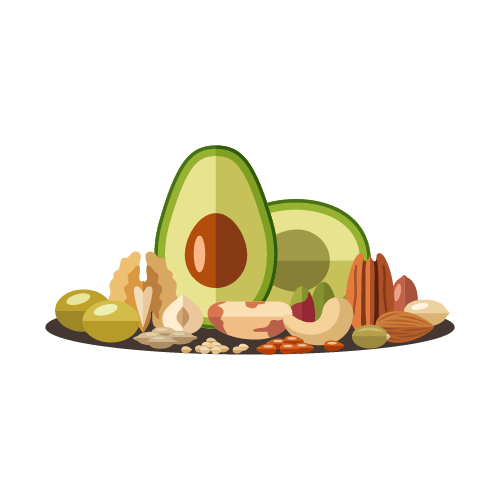
Fats are an important part of maintaining a good diet. While they should be eaten in moderation, diets should have a good variety of foods with unsaturated fats (also known as “good fats”). Unsaturated fats promote healthy blood cholesterol levels and good heart and vascular health. Good sources of unsaturated fats are:
-Olive, sunflower, safflower, cottonseed, and canola oils
-Nuts and seeds (Almonds, peanuts, flaxseed, pumpkin seed)
-Fatty Fish (Salmon, mackerel, sardines, tuna, cod)

Skip Fad Diets and Make Healthier Choices
Many diet trends today promise weight loss: paleo, keto, intermittent fasting, etc. When preventing type 2 diabetes, however, changes must be made to promote a healthier lifestyle overall. Diets may make progress in the short term but fail to integrate themselves as a lifelong, healthy habit. Thus, it is vital to make healthy decisions based on your preferences to help these habits stick. Bottom line: making small and healthy adjustments to the way you eat will be much more likely to stick rather than a trendy diet.
An important note to remember is these lifestyle changes can help prevent the onset of type diabetes. Making these changes now helps avoid serious health complications in the future such as nerve, kidney, and heart damage. If you fear that you may have prediabetes, please feel free to take this online test to see or talk to a healthcare professional. By taking proactive steps now, we can ensure we are living a longer and healthier life.
Resources and References:
https://www.cdc.gov/diabetes/prevent-type-2/index.html
https://www.cdc.gov/diabetes/prevention/about-prediabetes.html