The last two years have been interesting and have become a learning curve for all of us. We now know more when it comes to learning about how diseases spread, precautions, warnings, and more. If you have been paying attention to the news lately, you’ll notice that there may be a new disease that is currently going viral and that you need to consider.
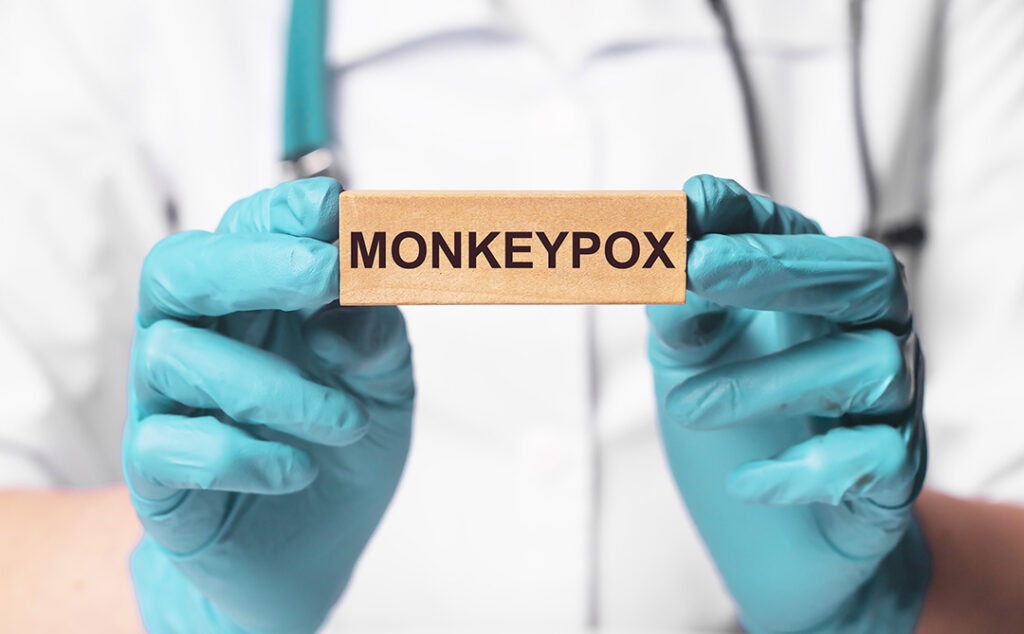
Monkeypox is a virus spreading not just in the United States but worldwide. Recently, the Biden administration declared the outbreak a public health emergency. Unlike Covid-19, we have been able to catch it on time, and with that, there is more information for the people. So, we know you’re asking what Monkeypox is, and do I need to be worried about it?
Just like any other virus, it is something that you should consider. But as mentioned earlier, we caught this one on time, and there is accurate information that you can use to protect yourself and your family.
How & Why Are We Seeing a Monkeypox Outbreak?
Monkeypox has been around for quite some time. It started on the continent of Africa but very rarely made it outside the mainland. The first time it made it out of Africa was in 2003 and was found in Texas, but since then, there hasn’t been much until recently.
Monkeypox and smallpox are very similar; they are about 85% identical. Many believe that this new outbreak is that many countries have stopped vaccinating against smallpox. This reason is possible but not the sole reason for the outbreak.
In terms of how the virus is being spread, there are various ways. The most commonly talked about the way that is spread is through sexual intercourse. But just because it can be contracted during sex doesn’t make it a sexually transmitted disease. The easiest way it can be spread is through contact with lesions or cuts that have the virus. In addition, it can be contracted by kissing, touching contaminated surfaces, or touching the clothing of someone with the virus. It is also essential to know that a pregnant woman can spread the virus to her fetus through the placenta.
Therefore, paying attention to who you have been in contact with is important. Take extra precautions around exposed cuts and sores and if you have been in contact with anyone with Monkeypox, make sure you quarantine yourself and speak with your doctor.
Symptoms & Prevention
There are a lot of miscommunications when it comes to Monkeypox symptoms. Many are familiar with the bumps that look like sores or pimples all over the body. This particular symptom doesn’t happen immediately. In fact, other common symptoms are early signs of Monkeypox before the bumps.
The beginning symptoms include
- Fever
- Headache
- Muscle aches
- Backaches
- Chills & Tiredness
- Swollen Lymph nodes
After some of these early symptoms (estimated about 5 days), a rash starts to form, starting from the face and spreading to the rest of the body. These rashes then turn to small bumps and lesions all over the body. Initially, the bumps look like chicken pox and can be easily confused with them, but the color and eventually the scaring is what classifies it as Monkeypox.
It is said that the illness lasts about 2 to 4 weeks, but in some cases where a person’s immune system is not as strong, it can last much longer and affect them differently. You should pay attention to any symptoms earlier since the virus can be deadly. If someone has been infected, there is an isolation period of about 7 to 14 days. But depending on the symptoms and individual body reaction to the virus, the isolation period can be between 5 and 21 days.
When it comes to prevention, the best way to prevent it is by being vigilant about who and with what you come in contact. As mentioned earlier, the virus can be easily transmitted by touching infected people or surfaces. So, prevent yourself from getting the virus by:
- Avoiding contact with people who have the virus & any surfaces they may have been in contact with a person with the virus.
- Avoiding contact with people with an unknown rash, lesions, or scabs.
- Disinfecting areas around you & wear PPE (Personal Protection Equipment) when disinfecting areas where a known affected person has been.
- Practicing good hygiene on a daily basis.
If anyone around you has a compromised immune system, you want to ensure they take extra precautions.
Is There a Vaccine for Monkeypox
The most asked question about Monkeypox is if there is a vaccine or something to cure it. Currently, 2 vaccines are being used by the United States and worldwide. These vaccines can protect against the virus and the symptoms that come with it.
It is important to note that out of these 2 vaccines, only one is FDA- approved and licensed for Monkeypox. The vaccine ACAM2000 is FDA-approved and licensed for smallpox. This vaccine is being used against Monkeypox because of the similarity of both viruses. So, it has been studied that this smallpox vaccine also works against Monkeypox. ACAM2000 is given as a single dose vaccination using the multiple puncture technique. This means the vaccine will be given to different areas of the skin. With the ACAM2000 vaccine, the sites where the shots are administered must be taken care of appropriately until it heals, usually taking 4 weeks. The areas must not be exposed to immunocompromised persons because that can cause complications for them.
The second FDA-approved and licensed vaccine for Monkeypox is JYNNEOS. The JYNNEOS vaccine is administered in 2 doses, and it is vital to get both doses. In all the studies completed, the effectiveness of the 2 doses of JYNNEOS is higher than one dose. Since this virus is spreading, it is best to get the complete dosage to ensure proper protection. In addition, this vaccine has been proven safe for significantly immunocompromised individuals.
Monkeypox in Texas
The virus is spreading all over the United States, but we know you’re more worried about the state and city you live. In the state of Texas, as of August 10, 2022, there are 780 cases. In the city of Houston, there are 209 cases. Brazoria County has 6 cases, Harris County has 29 cases, and Fort Bend County has 3 cases.
The reality is that this is undoubtedly becoming a virus that individuals should pay attention to and consider. Various precautions are being taken due to how fast the virus is spreading. It has now been declared a State of Emergency in the United States, and vaccines are available, though limited. In Houston, there are about 16,000 vaccines available, but the vaccines will be administered to those who express the need. To find out if you are eligible for the vaccine, click on this link and read more about vaccine eligibility & availability.
Resources
CDC: Monkeypox 2022 U.S. Map & Case Count
CDC: Clinical Considerations for Use of JYNNEOS
FDA: Key Facts About Monkeypox Vaccine
Texas Tribune: Monkeypox is spreading in Texas
MIT Technology Review: Everything You Need to Know About Monkeypox Vaccines
Texas Health and Human Services: Monkeypox
Disclaimer: This blog is medically reviewed by Dr. Yvette M. Poindexter