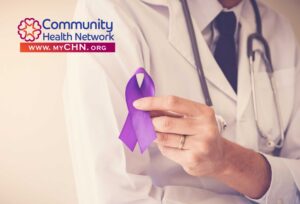
August 31st is International Overdose Awareness Day. Coordinated by the Penington Institute, International Overdose Awareness Day aims to “end overdose, remember without stigma those who have died and acknowledge the grief of the family and friends left behind” (“About the Campaign”). Awareness of drug overdose is becoming increasingly important as the US has been experiencing high levels of overdoses—especially since the rise of COVID-19 (“Key Findings”, World Drug Report). As Executive Director of United Nations Office on Drugs and Crime, Ghada Waly states: “the COVID-19 crisis has pushed more than 100 million people into extreme poverty. In doing so it has created conditions that leave more people susceptible to drug use” (Preface, World Drug Report). The recent rise of COVID-19 is worsening the drug epidemic. It is critical to educate people about overdose facts and services to help those who may suffer from drug addiction.
While the increasing epidemic of drug related disorders is on the rise, it is important to remember that Community Health Network is here to help. Our Medication Assisted Treatment (MAT) program allows community members to receive medication and therapy to support them in their recovery process. In addition, our substance use disorder (SUD)program provides intensive outpatient treatment (IOP), group support and individual counseling, virtually and in person. The Medication-Assisted Treatment (MAT) and the substance use disorder (SUD) program are used to treat and maintain recovery; moreover, these programs aim to prevent overdose through education, medication, peer support, and counseling.
“The best treatment you can offer someone is whole person-centered treatment,” states Demi Minter, LPC, LCDC, and Lead Behavioral Health Therapist of Community Health Network. “[Providing] wrap-around services with access to care and support. This is what CHN offers through integrated care treatment, MAT, and substance use disorders program.” Current research and best practices show a combination of medications and therapy can successfully treat SUDs and other addictions. These programs provide an opportunity for many people who have struggled with their addiction for recovery. For more information on our recovery programs, please visit mychn.org or feel free to give us a call at (281) 824-1480.