Primary care screenings for elderly patients are essential for early detection and management of age-related health conditions. Here is why:
- Preventive Screenings: Regular screenings help catch diseases like cancer and osteoporosis early.
- Chronic Disease Management: Screenings monitor conditions such as high blood pressure and type 2 diabetes.
- Mental Health Checks: These evaluations are crucial for identifying depression and cognitive decline.
In this article, we will explore the key screenings available for elderly patients and how they can benefit them.
What Are the Key Screenings for Older Adults?
Consistent primary care for elderly patients is the cornerstone of healthy aging. As we get older, our bodies change, and our risk for certain health conditions increases. Regular check-ups and preventive screenings with a primary care physician can help detect potential problems early, often when they are most treatable.
Preventive care is about more than just reacting to illness; it is about taking proactive steps to maintain health and well-being for as long as possible. For older adults, this means a focused approach on screenings that address common age-related health concerns. These screenings are simple, effective ways to stay ahead of potential health issues.
Here are four essential primary care screenings recommended for elderly patients.
1. Blood Pressure Screening
High blood pressure, or hypertension, is often called the “silent killer” because it usually has no symptoms. However, it significantly increases the risk for heart disease and stroke, two of the leading causes of death in the United States.
For elderly patients, regular blood pressure monitoring is crucial. Your primary care doctor should check your blood pressure at least once a year, or more frequently if you have other risk factors or existing hypertension. This simple, painless test can save your life.
If your blood pressure is high, your doctor may recommend lifestyle changes such as a healthier diet and increased physical activity. They may also prescribe medication like diuretics or ACE inhibitors to help lower your blood pressure and reduce your risk of complications.
2. Cancer Screenings
Cancer risk increases with age, making regular screenings an important part of primary care for elderly patients. Early detection through screening can lead to more effective treatment and better outcomes. The specific screenings recommended depend on your age, gender, and personal health history.
Colorectal Cancer
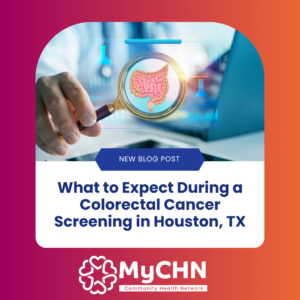
Screening for colorectal cancer should begin at age 45 for most adults. Your primary care doctor may recommend one of several screening tests, including a colonoscopy every 10 years or a stool-based test annually.
Breast Cancer
For women, mammograms are the best tool for detecting breast cancer early. The American Cancer Society recommends that women ages 55 and older switch to mammograms every 2 years, or they can choose to continue yearly screening.
Prostate Cancer
For men, a discussion about prostate cancer screening with a primary care physician should start at age 55. This may involve a prostate-specific antigen (PSA) blood test. The decision to test is based on individual risk factors and preferences.

3. Bone Density Scan
Osteoporosis is a condition that causes bones to become weak and brittle, making them more susceptible to fractures. It is a major health concern for elderly patients, particularly women after menopause. A bone density scan, also known as a dual-energy X-ray absorptiometry (DEXA) scan, measures bone strength.
This quick and non-invasive test helps your primary care provider assess your risk for fractures and determine if treatment is needed. The U.S. Preventive Services Task Force recommends bone density screening for all women ages 65 and older.
If the scan reveals low bone density, your doctor may suggest lifestyle modifications like weight-bearing exercises and increased calcium and vitamin D intake. Medications such as bisphosphonates (Fosamax) may also be prescribed to help strengthen bones.
4. Diabetes Screening
Type 2 diabetes is a common condition among older adults and can lead to serious health problems, including heart disease, kidney disease, and vision loss. Screening for diabetes
involves a simple blood test, such as the A1C test, which measures your average blood sugar levels over the past few months.
Regular screening allows for early detection and management, which can prevent or delay complications. Your primary care doctor will recommend how often you should be tested based on your risk factors, which include being overweight and having a family history of diabetes.
Managing diabetes often involves a combination of healthy eating, regular physical activity, and sometimes medication like metformin (Glucophage). A dedicated primary care physician in Alvin, TX, can help you create a management plan that fits your lifestyle.
Find Comprehensive Primary Care for Elderly Patients in Alvin, TX
Taking an active role in your health is the best way to ensure a high quality of life as you age. Regular screenings are a simple yet powerful tool for prevention and early detection. By working with a trusted healthcare provider, you can stay on top of your health and address any concerns before they become serious problems.
If you are searching for a primary care doctor near you accepting new patients, look no further. At MyCHN, we offer comprehensive primary care for elderly patients, focusing on prevention and personalized care plans. Our team is dedicated to supporting your health journey every step of the way.
Our services include a wide range of preventive screenings and chronic disease management to help you live a healthier, fuller life. We accept most private insurance, Medicaid, and Medicare.
Contact us today at 281-824-1480 or become our patient to schedule an appointment and take the first step toward proactive healthcare.